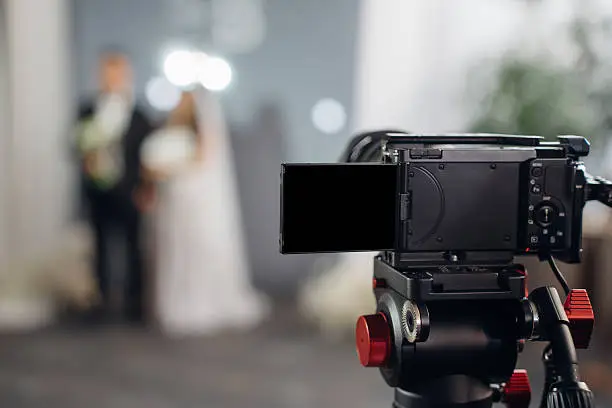
So, you’re wondering about the cost of a wedding videographer. The quick answer is that you can generally expect to pay anywhere from $2,000 to $6,000 for a decent wedding videographer in the US. However, this is a broad range, and many factors can push that number higher or lower. Think of it like buying a car – you can get a reliable budget model or a luxury vehicle with all the bells and whistles. Wedding videography is much the same; it’s an investment, and the price reflects the experience, equipment, and final product you receive.
When you’re looking at wedding videography, it’s easy to just see a number. But what that number represents is far more than just someone showing up with a camera. You’re investing in capturing irreplaceable memories, a visual narrative of one of the most significant days of your life. It’s about preserving emotions, speeches, dance moves, and moments you might otherwise miss or forget in the whirlwind of the day.
Why Quality Comes at a Cost
Good videographers aren’t just holding a camera. They’re artists and technicians. They’ve spent years honing their craft, investing heavily in state-of-the-art equipment, and constantly learning new techniques. This isn’t a hobby for them; it’s a profession that requires significant dedication and expertise.
The Value of Experience
An experienced videographer brings a lot more to the table than just technical skill. They know how to anticipate moments, how to blend into the background, and how to calmly handle unexpected situations. This experience is invaluable for ensuring your day goes smoothly and your video turns out beautifully.
Key Factors Influencing Videography Costs
Several elements play a significant role in determining how much you’ll pay for your wedding videographer. Understanding these can help you better assess quotes and decide what’s right for your budget and vision.
Location, Location, Location
Just like real estate, wedding videography prices can vary significantly depending on where you’re getting married.
- Major Metropolitan Areas: Large cities like New York, Los Angeles, or London often have higher operational costs for businesses, and that translates to higher videography rates.
- Rural or Smaller Towns: You might find slightly more budget-friendly options in less populated areas, though exceptional talent can command higher prices anywhere.
- Travel Fees: If your videographer needs to travel a significant distance, especially across states or internationally, they will likely charge for travel expenses (flights, accommodation, car rental, per diem).
The Videographer’s Experience and Reputation
This is often one of the biggest drivers of cost.
- Beginner/Newer Videographers: They might offer lower rates to build their portfolio and gain experience. This can be a good option if you’re on a tight budget, but be sure to thoroughly vet their work.
- Mid-Level Videographers: These professionals usually have a few years of experience, a solid portfolio, and refined skills. They offer a good balance of quality and cost.
- High-End/Award-Winning Videographers: These are the industry leaders, known for their exceptional artistry, unique style, and often a long list of accolades. They command premium rates, and typically book up far in advance.
The Number of Videographers
More hands on deck means more coverage and more perspectives, which naturally increases the cost.
- Single Videographer: This is usually the most basic package. One person attempts to capture everything, which can be challenging and may result in missing some moments.
- Two Videographers: This is the most common and recommended setup. It allows for simultaneous coverage of different events (e.g., bride getting ready, groom getting ready), multiple camera angles during the ceremony, and better overall coverage throughout the day.
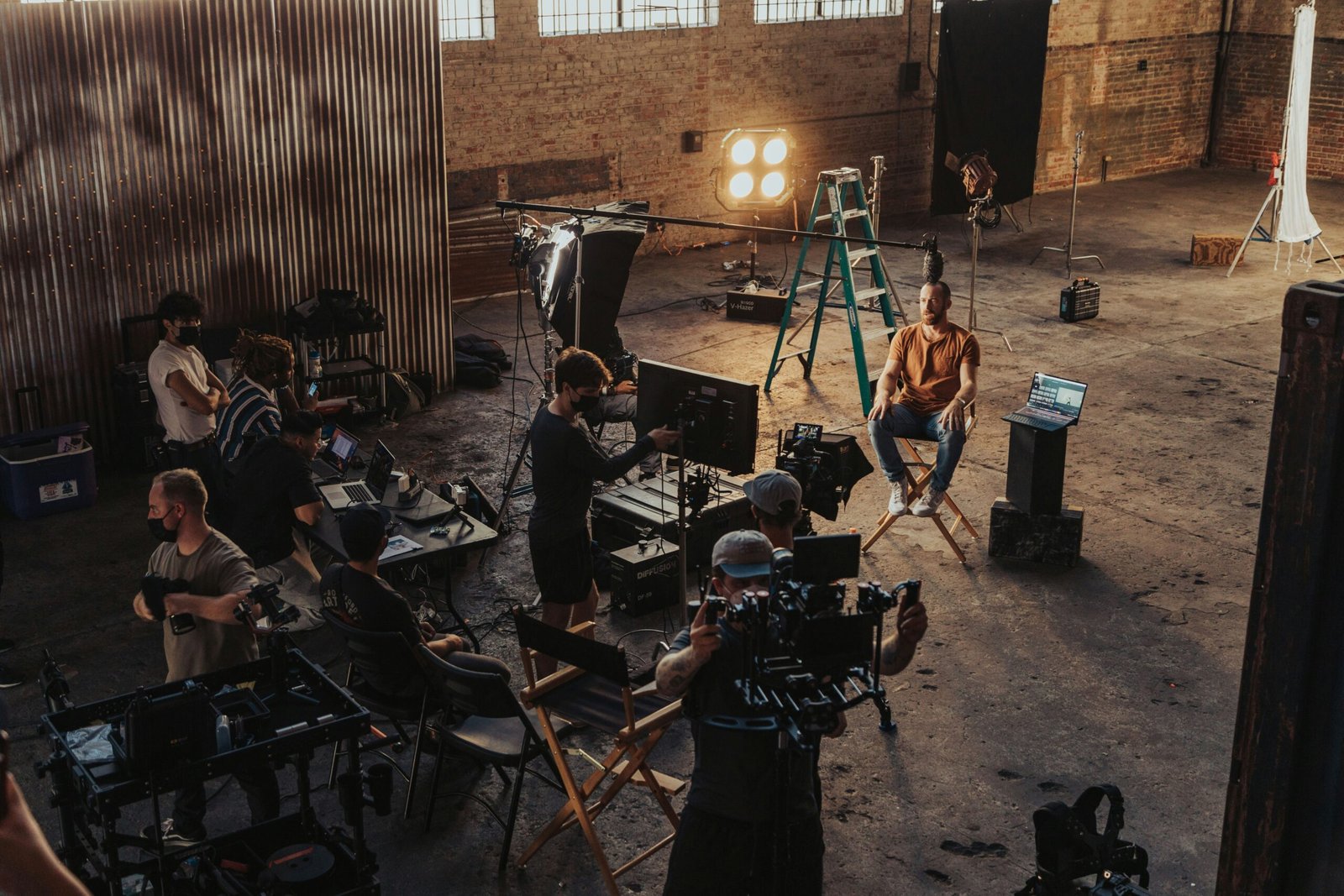
- Three or More Videographers: For very large or complex weddings, or if you want extremely extensive coverage with dedicated shots for specific elements (like drone footage specialist, or a dedicated B-roll shooter), additional videographers may be added.
Hours of Coverage
The longer your videographer is on site, the more they will charge.
- Standard Packages: Most videographers offer packages ranging from 6-10 hours, which covers typical wedding day events from getting ready to early reception.
- Extended Coverage: If you need them for longer – perhaps for pre-ceremony events, a longer reception, or after-party coverage – expect hourly overflow charges, which can be significant.
- Half-Day Coverage: Some videographers might offer shorter packages (e.g., 4-5 hours) for elopements or smaller, more intimate weddings, but these are less common for traditional weddings.
What’s Typically Included in a Videography Package?

Beyond just showing up with a camera, a good videography package should outline exactly what you’re getting for your money. Don’t assume anything – always clarify.
The Main Wedding Film (Feature Film/Highlight Film)
This is the centerpiece of most packages.
- Highlight Film (3-7 minutes): This is a fast-paced, emotionally driven montage of the best moments set to music. It’s highly shareable and perfect for social media. Almost every package includes this.
- Feature Film (15-45 minutes+): This is a longer, more comprehensive narrative of your day, often including full ceremony snippets, extended speeches, and more candid moments. The length varies greatly by videographer and package. Some videographers might offer an “extended highlight” that falls somewhere in between.
Raw Footage
This is an often-requested but frequently misunderstood item.
- What it Is: This is all the unedited video files straight from the camera. It’s raw, unflattering, shaky in parts, and not color-corrected or audio-mastered. It’s not a finished product to watch, but rather an archive.
- Cost Implications: Some videographers include it, others charge an extra fee (sometimes substantial) for it, and a few may not offer it at all. If you want it, make sure it’s explicitly stated in your contract.
Delivery Format
How will you receive your final videos?
- Online Gallery/Digital Download: This is the most common method, offering convenience and easy sharing.
- USB Drive: Some videographers provide a branded USB drive with your films.
- Blu-ray/DVD: Less common now, but some still offer it, often as an add-on.
Revision Policy
What happens if you’re not completely happy with the first edit?
- Number of Revisions: Most videographers include 1-2 rounds of revisions in their packages. Clarify what constitutes a “round” (e.g., a list of changes vs. multiple separate requests).
- Additional Revisions: Beyond the included revisions, there will likely be an hourly charge.
Add-Ons and Extra Costs to Consider

While a basic package covers many essentials, there are often popular add-ons that can enhance your wedding video experience, but they do come with additional costs.
Drone Footage
For stunning aerial shots of your venue and surrounding landscape, a drone can add a cinematic touch.
- Specialized Equipment & Pilot: Drones require specific equipment and a licensed, experienced pilot, which adds to the cost.
- Logistical Challenges: Weather, air traffic regulations, and “no-fly zones” can sometimes prevent drone usage. Always discuss this with your videographer.
Additional Films or Edits
Sometimes you want more than just the main feature film.
- Pre-Ceremony Interviews/Love Story: A short film made from interviews with the couple before the wedding, or even footage from earlier in your relationship.
- Full Ceremony Edit: A complete, unedited (or minimally edited) recording of your entire ceremony.
- Full Speech Edit: A complete recording of all toasts and speeches.
- Engagement/Proposal Video: A separate video filmed before the wedding day, often used to announce the engagement or show at the rehearsal dinner.
Expedited Delivery
Videography editing is a time-consuming process, with typical turnaround times ranging from 2-6 months.
- Rush Fees: If you want your video sooner, say within a few weeks or a month, be prepared to pay a rush fee.
- Availability: Not all videographers offer this, especially during peak season.
Licensed Music
Using popular, copyrighted songs in your wedding video requires licensing, which can be expensive.
- Stock Music Libraries: Most videographers use royalty-free music from specific libraries, which they (or their subscription) cover. This ensures legal compliance and avoids copyright issues.
- Specific Song Requests: If you insist on a particular copyrighted song, be prepared for potentially high licensing fees, if obtaining them is even possible for a commercial product like a wedding video. Many videographers will simply refuse due to the complexity and cost.
Budgeting Tips and Saving Strategies
| City | Average Videographer Cost for Wedding |
|---|---|
| New York City | 2,500 |
| Los Angeles | 2,200 |
| Chicago | 2,000 |
| Houston | 1,800 |
While you don’t want to skimp on capturing your memories, there are smart ways to approach your videography budget without compromising too much on quality.
Prioritize What Matters Most
Decide which aspects of the video are non-negotiable for you. Is it the length of the main film? Having two videographers? Specific cinematic techniques? Knowing your priorities helps you choose the right package.
Be Flexible with Your Wedding Date
Getting married on a weekday or during the off-season (typically November-March, excluding holidays) can sometimes lead to slightly lower rates, as videographers may offer incentives to fill their calendars.
Consider a Shorter Coverage Time
If your budget is tight, reducing the number of hours of coverage is one of the most effective ways to lower the cost. Instead of 10 hours, maybe 6-8 hours is sufficient to capture the key moments.
Look for Emerging Talent
While established videographers often come with a higher price tag, talented emerging videographers (those with 1-3 years of experience) can offer exceptional quality at a more accessible price point as they build their portfolios. Just ensure they have a coherent style and sufficient experience for the scale of your wedding.
Bundle Services (Within Reason)
Occasionally, a videographer might offer a discount if you book them with a preferred vendor, or if they offer photography as well. However, be cautious about “all-in-one” companies that do both photo and video. While convenient, specialized companies often excel in their chosen craft. Ensure their samples for both services meet your standards if considering a bundle.
Negotiate (Politically)
While you shouldn’t be pushy, there might be slight room for negotiation, especially if you’re booking during the off-season, or if they have an open date close to your wedding. Instead of demanding a discount, you could ask, “Is there any flexibility in the package if we adjust X or Y?” or “Are there any smaller packages that might fit our budget of Z?”
The Hiring Process: What to Look For
Finding the right videographer is about more than just pricing. It’s about finding someone whose style aligns with your vision and whom you feel comfortable with.
Review Their Portfolio Extensively
Watch multiple full-length films, not just highlight reels. This gives you a better sense of their storytelling ability, audio quality, and overall consistency. Pay attention to how they handle different lighting conditions and how they capture emotion.
Understand Their Style
Different videographers have different artistic approaches:
- Cinematic: Often dramatic, highly polished, with a strong narrative.
- Documentary: More natural, observational, focusing on capturing moments as they unfold.
- Highlight/Music Video Style: Fast-paced, energy-driven, often with more emphasis on music synchronization.
Make sure their style resonates with you.
Read Reviews and Get Referrals
Online reviews on sites like The Knot, WeddingWire, or Google can offer insights into other couples’ experiences. Personal referrals from friends, family, or your wedding planner are also incredibly valuable.
Schedule a Consultation
This is crucial. You’ll be spending a significant part of your wedding day with your videographer. A consultation (in-person or video call) allows you to:
- Discuss your vision: Share your wedding style, specific moments you want captured, and any unique details.
- Assess their personality: Do you click? Do they seem professional, friendly, and someone you’d want around on your big day?
- Clarify all details: Go over packages, timelines, payment schedules, and ask any lingering questions.
Get Everything in Writing
A detailed contract is your best friend. It should outline:
- Exact services included
- Hours of coverage
- Number of videographers
- Delivery format and timeline
- Payment schedule and cancellation policy
- Any agreed-upon add-ons or special requests
Don’t sign anything until you’ve read and understood every line.
Final Thoughts: It’s Your Story
Ultimately, the average cost is just a starting point. Your wedding video is a personal investment in preserving a once-in-a-lifetime event. While it’s important to be mindful of your budget, try to see the value beyond the dollar amount. When deciding, think about how much you will treasure those moving images in 5, 10, or 50 years. They’ll become family heirlooms, a way to relive the joy, laughter, and love of your special day, long after the cake is eaten and the decorations are packed away.