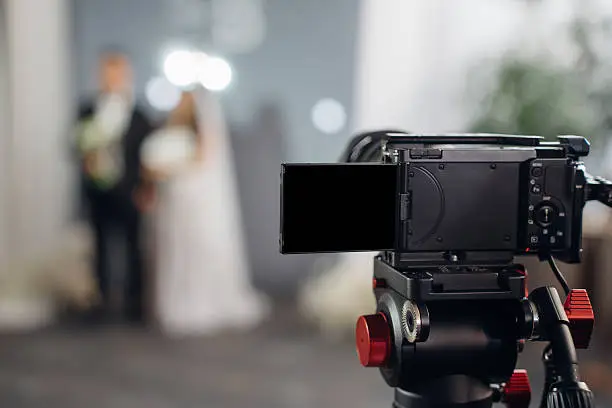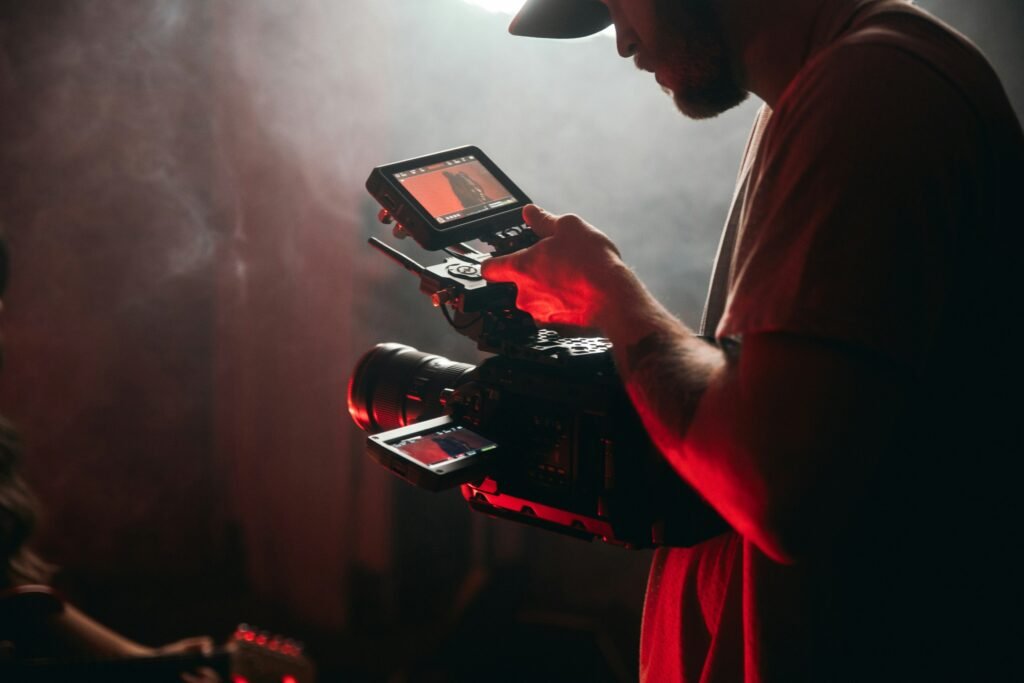
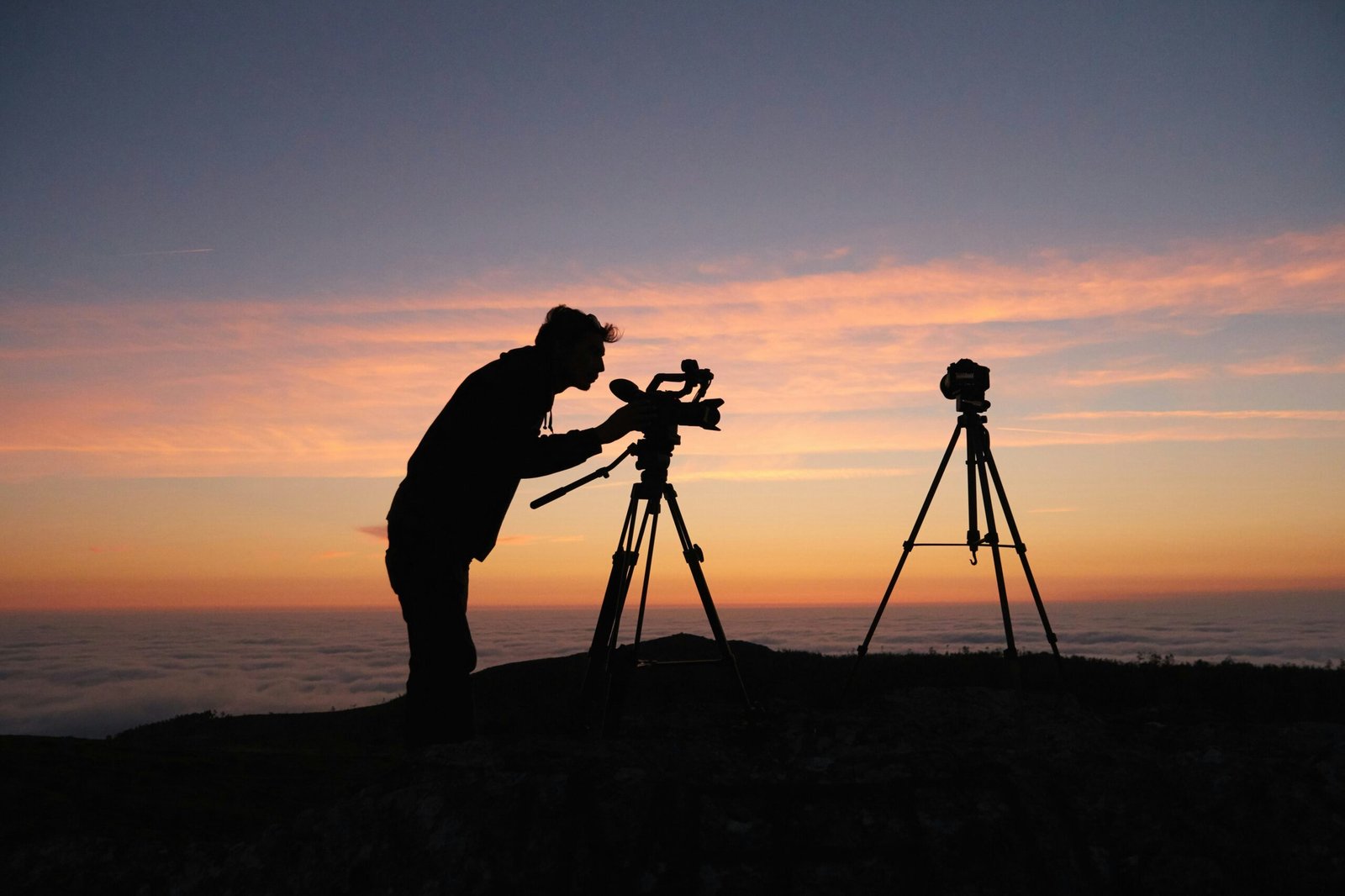
So, what exactly do photographers and videographers do? At its core, they’re storytellers. They’re the ones who freeze time or bring it to life, transforming fleeting moments into lasting memories. Whether it’s a wedding, a corporate event, a product launch, or a simple family portrait, their job is to document and interpret what’s happening in a way that resonates with their audience. It’s more than just pointing and shooting; it’s about vision, technical skill, and a deep understanding of how to communicate effectively through visuals.
You might think a photographer and a videographer are interchangeable, both just holding cameras. While there’s certainly overlap in their fundamental goal – capturing visuals – their approaches, skill sets, and the final products they deliver are quite distinct.
The Photographer’s Perspective: Crafting a Still Narrative
A photographer excels at isolating and highlighting individual moments. They find the perfect angle, lighting, and composition to convey a story or emotion within a single frame. Think of them as painters, carefully choosing every brushstroke to create a masterpiece.
- Composing the Frame: This involves a keen eye for aesthetics, understanding the rule of thirds, leading lines, and negative space to create visually engaging images. It’s about deciding what to include and, just as importantly, what to exclude from the shot.
- Mastering Light: Light is a photographer’s best friend and biggest challenge. They understand natural light – its direction, intensity, and color temperature – and how to manipulate artificial light sources (flashes, strobes) to shape a scene or subject.
- Capturing Emotion and Detail: A good photographer doesn’t just record faces; they capture the fleeting smile, the tear in an eye, the intricate detail of a forgotten object. They’re constantly observing and anticipating these human elements.
- Post-Processing Expertise: The raw image is often just the beginning. Photographers use software like Adobe Lightroom or Photoshop to enhance colors, adjust exposure, remove distractions, and refine the overall look of an image, bringing it closer to their artistic vision.
The Videographer’s Art: Weaving a Moving Story
A videographer, on the other hand, is a director and editor in one. They’re not just capturing isolated moments but weaving them together into a coherent, dynamic narrative that unfolds over time. Their medium is continuous motion, sound, and a carefully constructed sequence of events.
- Storyboarding and Planning: While not always formal, videographers often have a mental or physical storyboard, envisioning how scenes will connect and what story they want to tell. This involves pre-production planning, shot lists, and consideration of the overall narrative arc.
- Fluid Camera Movement: Unlike a still photograph, video requires purposeful camera movement – pans, tilts, dollies, and slow zooms – to guide the viewer’s eye and maintain engagement. This can often involve using stabilizers, gimbals, or even drones.
- Sound Design Integration: Sound is incredibly powerful in video. Videographers are mindful of capturing clean audio, whether it’s dialogue, ambient sounds, or music, to enhance the viewer’s emotional connection and understanding of the story.
- Editing and Sequencing: This is where the magic truly happens. Post-production for video involves cutting countless hours of footage into a concise, impactful narrative. It’s about pacing, transitions, color grading, and often adding graphics or special effects.
Why Technical Skill Alone Isn’t Enough: The Human Element
Owning expensive gear doesn’t automatically make someone a great photographer or videographer. While technical proficiency with cameras, lenses, and editing software is absolutely essential, the human element – the soft skills – are what truly elevate their work.
Building Rapport and Trust
Especially in events like weddings or intimate portraits, people need to feel comfortable and relaxed around the person pointing a lens at them.
- Communication is Key: From the initial consultation to guiding subjects through poses, clear and friendly communication helps set expectations and makes the subjects feel at ease.
- Empathy and Understanding: Being able to read a room, understand cultural nuances, or simply sense when someone is feeling awkward allows the professional to adjust their approach and capture more authentic moments.
- Professionalism and Reliability: Showing up on time, being prepared, and handling unexpected situations gracefully builds trust and ensures a smoother experience for everyone involved.
The Art of Observation and Anticipation
This is where experience truly shines. It’s about seeing beyond the obvious.
- Reading the Room: Anticipating key moments – a spontaneous laugh, a tender glance, a crucial speech – before they happen allows the professional to be in the right place at the right time.
- Finding the Unseen: Sometimes the most compelling images or clips aren’t the main event, but the reactions of others, the small details, or the behind-the-scenes moments that add depth to the story.
- Adapting to the Environment: Unfavorable lighting, cramped spaces, or unexpected changes in schedule require quick thinking and creative problem-solving on the fly.
Collaboration vs. Specialization: When to Hire One or Both

This is a common question, and the answer often depends on the scale and nature of your project.
The Benefits of a Dedicated Team
For larger, more complex events, having separate photographers and videographers working in tandem often yields the best results.
- Uninterrupted Focus: Each professional can concentrate solely on their craft, ensuring that specific shots and angles are captured effectively for their respective mediums.
- Diverse Perspectives: Two sets of eyes and two distinct approaches can capture a broader range of moments and emotions, providing a richer, more comprehensive record of the event.
- Optimized Equipment: Photographers use gear optimized for stills (fast lenses, high-resolution sensors), while videographers use gear for motion (stabilizers, dedicated audio recording). A dedicated team ensures the right tools are used for the right job.
- Streamlined Workflow: While they work independently, a good photography and videography team will often coordinate their movements to avoid obstructing each other’s shots, ensuring a smooth and efficient coverage.
When One Professional Might Suffice (The Hybrid Approach)
It’s becoming more common for professionals to offer both services, especially for smaller projects or budget-conscious clients.
- Cost-Effectiveness: Hiring one person usually comes with a lower price tag than hiring two separate professionals, making it an attractive option for smaller budgets.
- Consistent Artistic Vision: A single individual guiding both the photography and videography can ensure a cohesive style and feel across all deliverables. This can be particularly beneficial for personal branding or small business needs.
- Simpler Communication: Dealing with one point of contact for all visual needs can simplify planning and communication for the client.
- Limitations to Consider: While versatile, hybrid professionals often have to toggle between disciplines, which can sometimes mean missing certain shots or sacrificing depth in one area for the sake of the other. They can’t be in two places at once, and the gear needed for top-tier stills isn’t always ideal for top-tier video without compromises.
The Journey from Raw to Relic: Post-Production Prowess

The moment the shutter clicks or the record button stops, a new phase of the creative process begins: post-production. This often unseen work is where the raw material is refined, enhanced, and sculpted into its final, polished form.
The Photographer’s Editing Suite: Breathing Life into Stills
For photographers, post-processing is an integral part of their artistic expression. It’s where they fine-tune their images and ensure they meet their creative vision and client expectations.
- Culling and Selection: This often involves sifting through hundreds or thousands of images to select the very best, discarding duplicates, blurry shots, or those that don’t fit the narrative.
- Exposure and Color Correction: Adjusting brightness, contrast, white balance, and color saturation to ensure images are vibrant, properly exposed, and consistent in tone.
- Retouching and Local Adjustments: Minor cleanups, removing distractions, softening skin, or selectively enhancing specific elements within the frame without altering the authenticity of the subject.
- Styling and Presets: Applying consistent stylistic elements, whether through custom presets or manual adjustments, to create a cohesive look across an entire album or collection.
The Videographer’s Edit Bay: Orchestrating the Flow
Video editing is a complex and time-consuming process that requires both technical skill and a strong sense of storytelling.
- Logging and Organizing Footage: Managing vast amounts of video clips, categorizing them, and often transcribing dialogue to make the editing process more efficient.
- Rough Cut Assembly: Arranging clips into a preliminary sequence, establishing the narrative flow and pacing, cutting out unnecessary pauses or uninteresting segments.
- Fine Tuning and Transitions: Precision editing, adding smooth transitions (cuts, dissolves, wipes), and ensuring the visual rhythm aligns with the emotional arc of the story.
- Color Grading and Visual Effects: Applying color correction to ensure consistency and mood, and potentially adding graphics, titles, or subtle visual effects to enhance the narrative.
- Sound Mix and Music Licensing: Balancing audio levels, cleaning up dialogue, adding sound effects, and carefully selecting and licensing music that complements the visual storytelling.
Beyond the Event: Archiving and Delivery
“`html
| Category | Photographer | Videographer |
|---|---|---|
| Experience | 5 years | 3 years |
| Equipment | Canon EOS R5, 24-70mm lens | Sony A7S III, 16-35mm lens |
| Projects Completed | 50 | 30 |
| Client Satisfaction | 95% | 90% |
“`
The job doesn’t end when the final edited files are sent. Responsible photographers and videographers also consider the long-term preservation and accessibility of their work.
Secure Storage and Backups
Protecting the client’s precious memories is paramount. Professionals typically have robust backup systems in place.
- Redundant Storage: Using multiple hard drives, cloud storage, or network-attached storage (NAS) devices to ensure data isn’t lost due to hardware failure.
- Off-site Backups: Keeping a copy of data in a separate physical location to protect against catastrophic events like fire or theft at the primary studio.
Delivery Methods and Formats
Getting the final product to the client in a convenient and usable format is the last step.
- Online Galleries and Cloud Sharing: Providing secure, password-protected online galleries (for photos) or private links (for videos) that allow clients to view, share, and download their files.
- Physical Media Options: Offering USB drives, custom albums, prints, or Blu-ray discs as physical keepsakes, especially for milestone events.
- Understanding File Types: Delivering images in high-resolution JPEGs for printing and web-optimized versions for sharing, and video in commonly used formats like MP4 for broad compatibility.
Ultimately, photographers and videographers are modern-day historians. They don’t just capture images or footage; they capture moments, emotions, and narratives that would otherwise be lost to time. Their role is a blend of artistry, technical expertise, and human connection, ensuring that your most cherished memories are preserved beautifully and authentically.