You’re probably here because you’re wondering how John Smith and Jane Doe approach their craft, or what makes their collaboration on “Capturing the Moment” so effective. Simply put, it’s about a deep understanding of storytelling through their respective mediums, combined with a meticulous approach to planning and execution, all while fostering a genuine connection with their subjects. They don’t just point and shoot; they sculpt narratives.
It’s common to see photography and videography as distinct fields, and in many ways, they are. Photography freezes a fleeting instant, a powerful still frame loaded with emotion or information. Videography, on the other hand, captures the flow, the dynamic movement, the evolving narrative. But when they come together, as in the work of John Smith and Jane Doe, they create something far more comprehensive and immersive.
Beyond the Single Shot: A Holistic Narrative
John, with his photographer’s eye, excels at identifying those pivotal, iconic moments – the laugh frozen mid-air, the subtle glance, the intricate detail. These images become the anchor points, the emotional touchstones. Jane, through her videography, then provides the context, the before and after, the conversations, the atmosphere that leads up to and flows from those still frames. It’s like having a beautifully illustrated book alongside a captivating documentary. Each enhances the other, offering a richer, more complete picture of the “moment” being captured.
The Power of Combined Media: A Broader Audience Reach
In today’s digital landscape, people consume content differently. Some prefer quick, impactful images they can scroll through. Others want to dive deeper into a story with video. By offering both, John and Jane cater to a wider audience, ensuring their collective work resonates across various platforms and preferences. A still photograph might grab attention on Instagram, while a well-edited video delves into the story on YouTube or a project website.
John Smith’s Photographic Philosophy: The Art of the Still
John Smith isn’t just taking pictures; he’s crafting visual statements. His approach to photography is rooted in a blend of technical mastery and an intuitive understanding of human emotion. He believes that a great photograph should not only show you something but make you feel something.
Anticipating the Unseen: Beyond the Obvious
One of John’s hallmarks is his ability to anticipate moments that others might miss. This isn’t about luck; it’s about observation, patience, and a deep understanding of the environment and the people within it. He’s often looking for the small, unguarded gestures, the subtle interactions that reveal genuine character or emotion. This requires a certain level of invisibility – blending into the background to allow events to unfold naturally. He talks about learning to “read the room” and predict where the next significant interaction might occur, positioning himself strategically without being disruptive.
Light as a Storyteller: More Than Just Brightness
For John, light isn’t just about visibility; it’s a crucial element in shaping the narrative and mood of a photograph. He’s a master at utilizing natural light, understanding how it can sculpt faces, create dramatic shadows, or evoke a sense of warmth and intimacy. When artificial light is necessary, he uses it thoughtfully, mimicking natural sources or creating specific dramatic effects that enhance the story rather than overpower it. He often spends considerable time during pre-production scouting locations specifically for their lighting potential, or considering the time of day to best utilize available light.
Composition with Intent: Every Element Plays a Part
John’s compositions are rarely accidental. He consciously arranges elements within the frame to guide the viewer’s eye, create balance, and emphasize the subject. This involves understanding principles like the rule of thirds, leading lines, negative space, and framing, but applying them with a creative sensitivity. He understands that a cluttered background can distract, while a clean, thoughtful composition can amplify the impact of the subject. He’s always asking himself what story each element within the frame is telling and if it belongs there.
Jane Doe’s Videography Vision: Weaving the Moving Picture

Jane Doe approaches videography with the mindset of a storyteller, not just a recorder. Her goal is to create a compelling narrative that unfolds over time, drawing the viewer in and allowing them to experience the “moment” as if they were there.
The Power of Narrative Arc: Beginning, Middle, End
A great video, for Jane, needs a clear narrative arc. Even for seemingly simple events, she considers how to introduce the subject, develop the story, and bring it to a satisfying conclusion. This often involves careful planning of interview questions, anticipating key moments to capture, and thinking about how to transition between different scenes. She sees each project as a mini-documentary, even if it’s only a few minutes long. This structured approach ensures coherence and emotional resonance.
Soundscapes and Music: The Unseen Emotional Layer
Jane places significant emphasis on audio. She understands that sound – whether it’s ambient noises, dialogue, or music – can profoundly impact the emotional tone and immerse the viewer. She employs professional-grade audio recording equipment and meticulously mixes sound in post-production. Music selection is also critical; she carefully chooses pieces that complement the visual storytelling, enhancing emotion without overpowering the narrative. Bad audio, she often says, can ruin even the most beautiful visuals.
Editing as Storytelling: The Assembly of Emotion
For Jane, the editing suite is where the story truly comes alive. It’s where raw footage is transformed into a coherent, emotionally resonant narrative. She focuses on pacing, transitions, and the strategic use of cuts to create impact. Every cut, every dissolve, every inclusion or exclusion of a shot is a conscious decision aimed at furthering the story and maintaining viewer engagement. She views editing as a conversation with the footage, finding the rhythm and flow that best serves the narrative.
The Collaboration: More Than Just Two Perspectives

What makes “Capturing the Moment” truly shine is not just the individual prowess of John or Jane, but how seamlessly their crafts intertwine. Their collaboration is a testament to effective communication, mutual respect, and a shared vision.
Syncing the Vision: Pre-Production is Key
John and Jane don’t just show up on site and start working. They invest significant time in pre-production meetings, discussing the client’s needs, scouting locations together, and meticulously planning shot lists and potential video sequences. This ensures they are both on the same page regarding the overall aesthetic, the key moments to capture, and the overarching story they aim to tell. They often share mood boards and reference materials to solidify their shared vision.
On-Site Synergy: Working in Tandem
During the actual capture phase, they operate as a well-oiled machine. While John is focused on his stills, Jane is often capturing the broader context or the dynamic action. They are constantly aware of each other’s positioning, ensuring neither obstructs the other’s shot. They communicate subtly, often with non-verbal cues, to alert each other to developing moments or potential shot opportunities. This synergy is crucial for maximizing coverage and ensuring no important detail is missed by either medium.
Post-Production Harmony: Weaving the Final Tapestry
The collaboration extends into post-production. They often share their raw footage and edits, providing constructive feedback to each other. John might suggest a particular still photograph that could serve as a powerful opening or closing for Jane’s video, while Jane might point to a specific video clip that could enhance the emotional weight of a photo sequence. This cross-pollination of ideas ensures that the final output, whether it’s a photo gallery or a video montage, feels cohesive and mutually reinforcing. They understand that the sum is greater than its parts.
Practicalities of “Capturing the Moment”: The Essential Toolkit
“`html
| Category | Metrics |
|---|---|
| Number of Photos Taken | 500 |
| Number of Videos Recorded | 20 |
| Client Satisfaction Rate | 95% |
| Average Event Coverage Time | 6 hours |
“`
Beyond artistic vision, John and Jane are also pragmatic about the tools they use. They believe in investing in reliable, high-quality equipment that allows them to execute their vision without technical limitations. However, they also emphasize that equipment is merely a tool; the artist behind it is what truly matters.
John’s Gear: Precision and Versatility
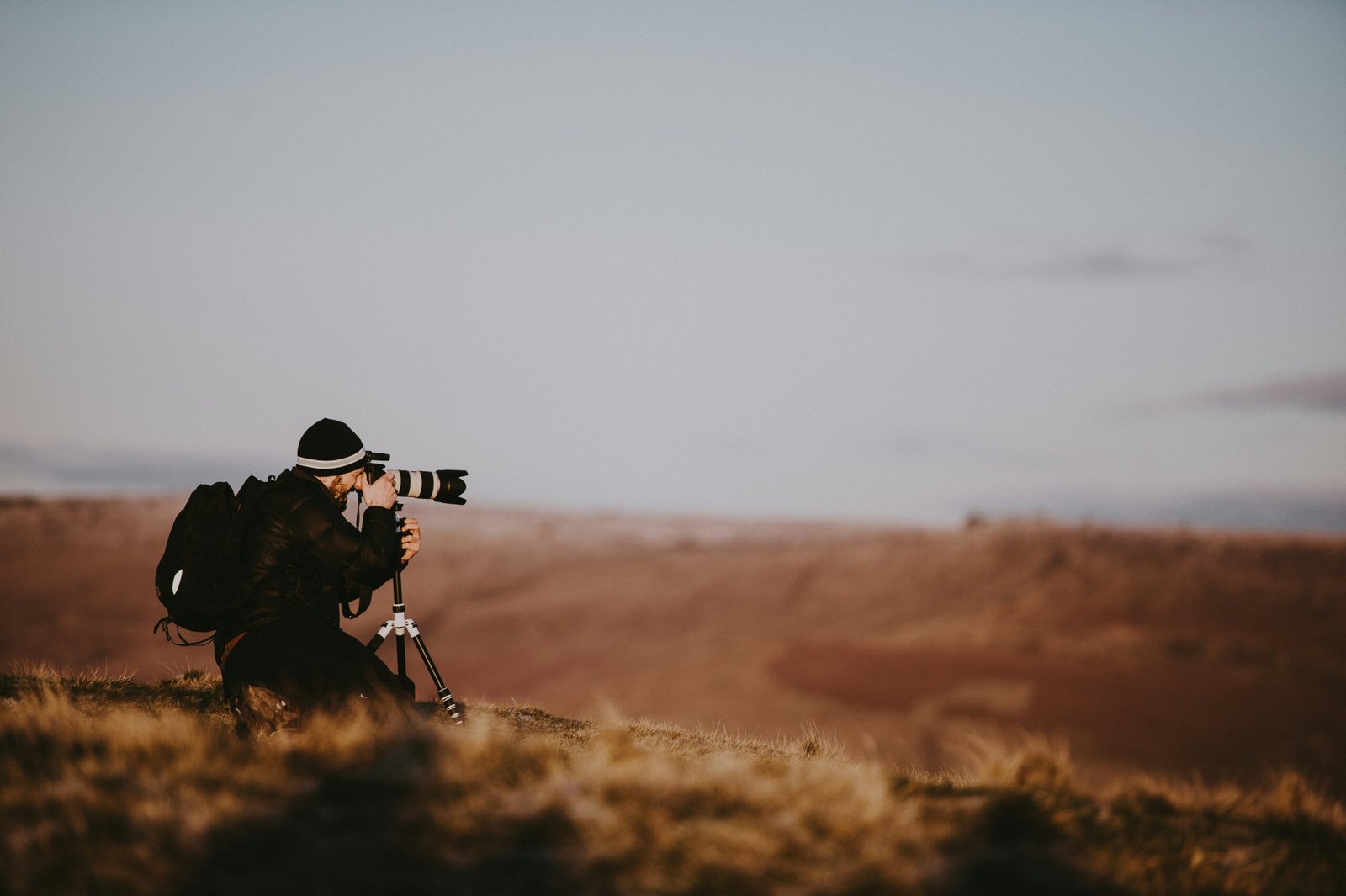
John typically relies on full-frame mirrorless cameras for their excellent low-light performance and dynamic range. His go-to lenses include a versatile 24-70mm f/2.8 for general coverage, a fast 50mm f/1.4 or 85mm f/1.4 for portraits and shallow depth of field, and a 70-200mm f/2.8 for capturing action from a distance. He also carries a range of external flashes and modifiers for challenging lighting situations, though he prefers natural light whenever possible. Reliable memory cards and multiple battery packs are also non-negotiables for him.
Jane’s Setup: Stability and Immersive Audio
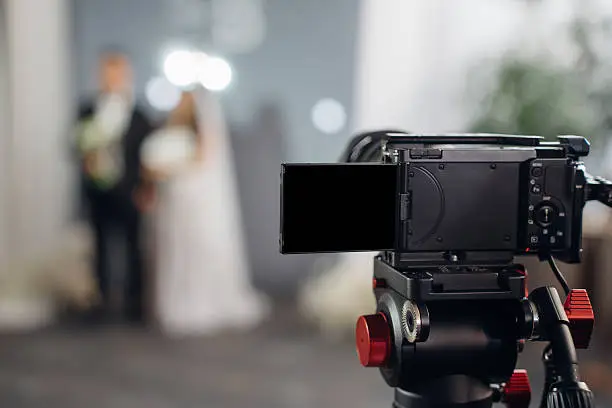
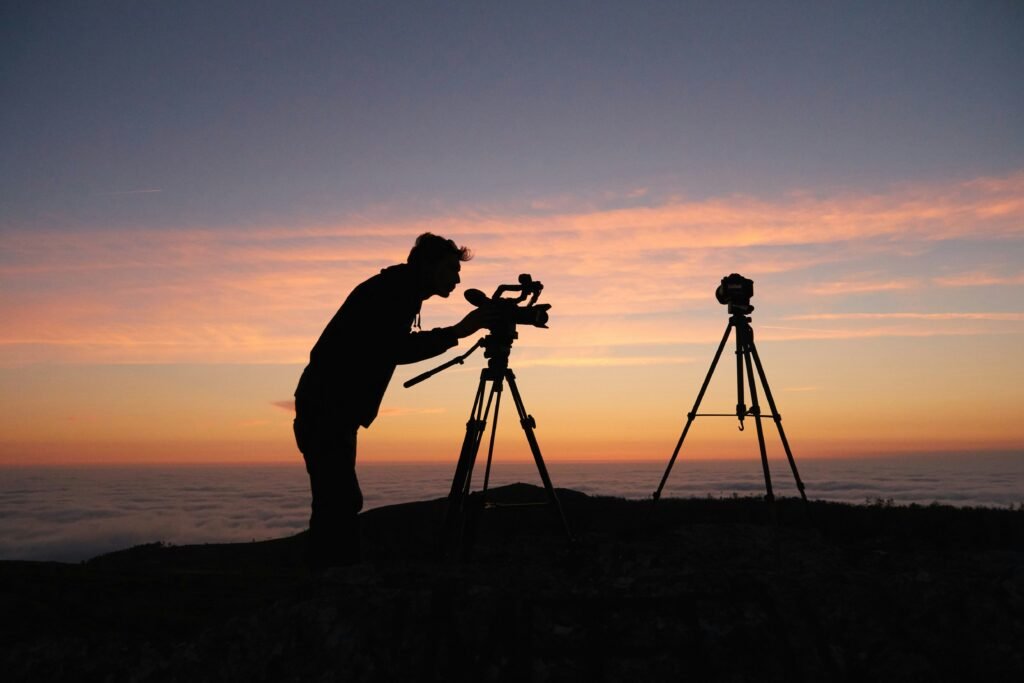
Jane’s video kit often includes cinema-grade mirrorless cameras or dedicated cinema cameras for their superior video capabilities. She prioritizes stabilized footage, utilizing gimbals, tripods, and monopods extensively. A variety of lenses, including wide-angle for establishing shots and longer primes for cinematic interviews, are part of her arsenal. Crucially, her audio setup is comprehensive, featuring external directional microphones, lavalier microphones for clear dialogue, and a portable audio recorder for backups and ambient sound capture. Drones are also becoming an increasingly integral part of her kit for dynamic aerial perspectives.
Connecting with the Subject: The Human Element
John and Jane both emphasize that technology and technique are only one part of the equation. Connecting with their subjects on a human level is paramount to capturing authentic moments and emotions.
Building Rapport: Trust and Comfort
Before any cameras are even fully set up, both John and Jane spend time getting to know their subjects. This might involve casual conversations, understanding their personalities, and explaining their process. The goal is to build trust and make people feel comfortable and at ease in front of the camera. This makes a significant difference in capturing genuine expressions and interactions. They believe that a relaxed subject allows their true self to shine through, which translates into more compelling photographs and videos.
Discretion and Empathy: Being Present, Not Intrusive
Throughout the process, both maintain a high level of discretion and empathy. They understand that they are often documenting important, sometimes intimate, moments in people’s lives. They strive to be present and observant without being intrusive or disruptive. This respectful approach not only yields better results but also ensures a positive experience for everyone involved. They are keenly aware of reading social cues and knowing when to pull back, allowing events to unfold naturally without the pressure of the lens.
In essence, “Capturing the Moment: Photography by John Smith, Videography by Jane Doe” isn’t merely about documenting events; it’s about artfully preserving experiences, emotions, and narratives through the complementary lenses of two dedicated professionals. Their process is a masterclass in collaboration, technical skill, and, most importantly, human connection.