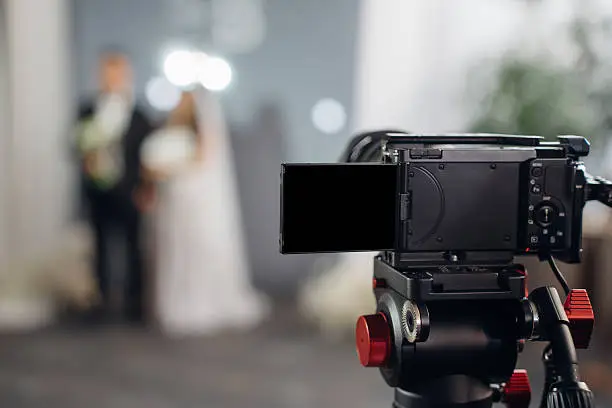
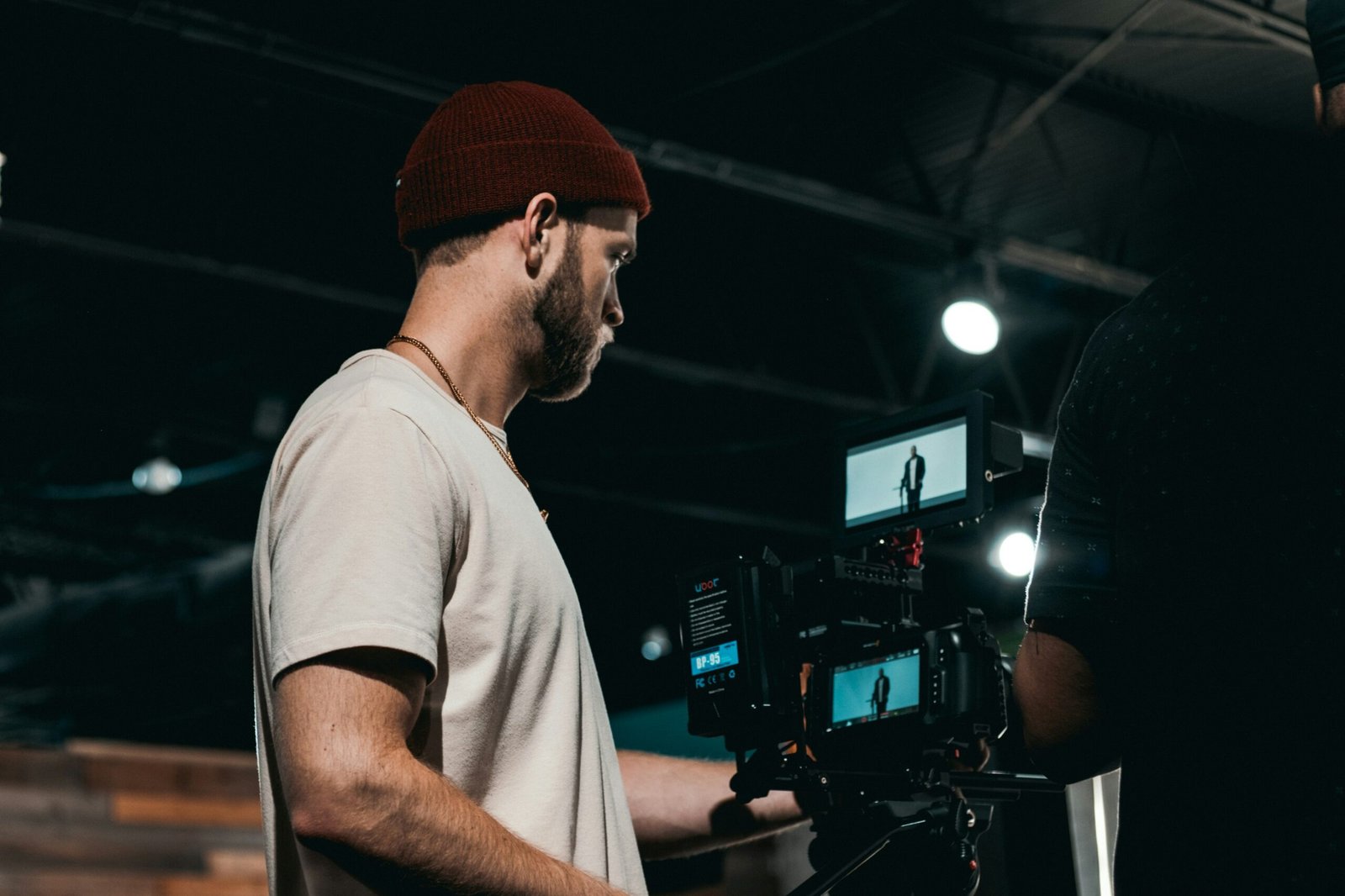
So, you’re wondering what videography is all about? In a nutshell, it’s the craft of capturing moving images, essentially telling stories or documenting events through video. Think of it as painting with light and time, but instead of a canvas, you have a lens, and instead of static paint, you have dynamic scenes that unfold. It goes way beyond just pointing a camera and hitting record; it’s about understanding composition, light, sound, and how to stitch it all together to create something meaningful, engaging, or even just beautiful. It’s the difference between a snapshot and a memory that truly comes alive.
When we talk about videography, the camera is just the starting point. It’s the brush, but it’s not the whole masterpiece. Think of it as equipping yourself with the right tools for storytelling.
Choosing Your Lens: Seeing the World Differently
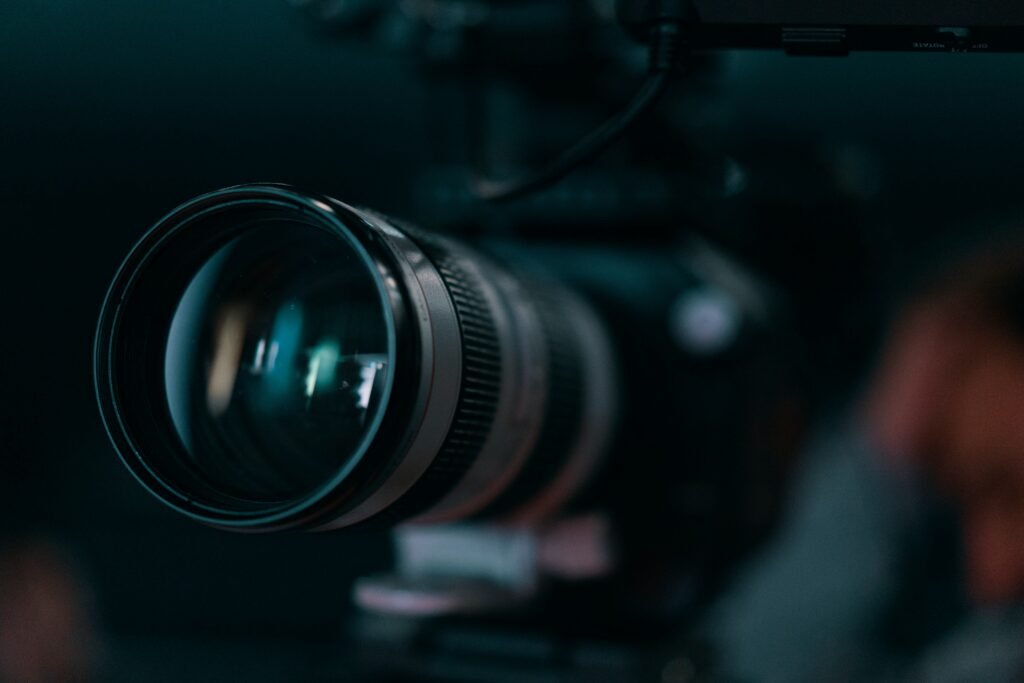
Your lens is your eye to the world, and different lenses will show you that world in vastly different ways.
Wide-Angle Wonders: Embracing the Scene
A wide-angle lens is fantastic for pulling you into a scene. It captures a broad field of view, making spaces feel larger and drawing the viewer into the environment. Great for landscapes, establishing shots of locations, or when you want to convey a sense of scale and context. Imagine shooting a bustling street market – a wide lens can grab all that energy.
Telephoto Tales: Isolating the Details
On the flip side, a telephoto lens compresses the perspective and allows you to focus on specific subjects from a distance. This is brilliant for isolating a person, a particular detail, or creating a sense of intimacy without being physically close. It can also flatten the background, making your subject pop. Think of a tight shot on someone’s expressive face during an important moment.
The Versatile Zoom: Adaptability is Key
Zoom lenses offer flexibility. They allow you to change your focal length without changing your physical position. This is incredibly practical, especially when you’re in a situation where moving around is difficult or disruptive. You can go from a wider shot to a tighter one in an instant, which is a lifesaver for capturing unexpected action.
Beyond the Lens: Essential Gear for Quality
While the camera and lens are primary, other equipment plays a crucial role in shaping the final look and feel of your video.
Lighting the Way: Setting the Mood
Light is arguably the most significant element in any visual medium. How you light your scene dramatically impacts the mood, depth, and overall impression of your video.
- Natural Light: Often the simplest and most beautiful. Learning to work with windows, golden hour, or overcast skies can provide stunning results with minimal effort. It’s about understanding how light falls and how to position your subject to take advantage of it.
- Artificial Light: For more control, artificial lights are indispensable. From basic LED panels to more complex lighting kits, they allow you to sculpt light, create shadows, and achieve specific looks. Think of a dramatic spotlight or a soft, even fill light.
- Color Temperature: The “warmth” or “coolness” of your light (measured in Kelvin) is important for consistency. Getting this right in-camera or during editing ensures skin tones look natural and the scene feels cohesive.
Sound Investment: Hearing the Story
Many beginners overlook sound, but it’s half the battle. Poor audio can ruin an otherwise great video.
- Microphones: Onboard camera mics are usually a last resort. External microphones – lavalier (lapel) mics for individuals, shotgun mics for directional sound, or even boom mics – capture much clearer and more focused audio.
- Recording Environment: Minimizing background noise is key. Avoiding echoey rooms, wind, or distracting ambient sounds will make a huge difference. Even simple things like closing windows can help.
- Audio Levels: Ensuring your audio isn’t too quiet or too loud (distorted) is critical. Monitoring levels during recording and adjusting them in post-production is essential.
Stability Matters: Keeping it Steady
Shaky footage is jarring and unprofessional.
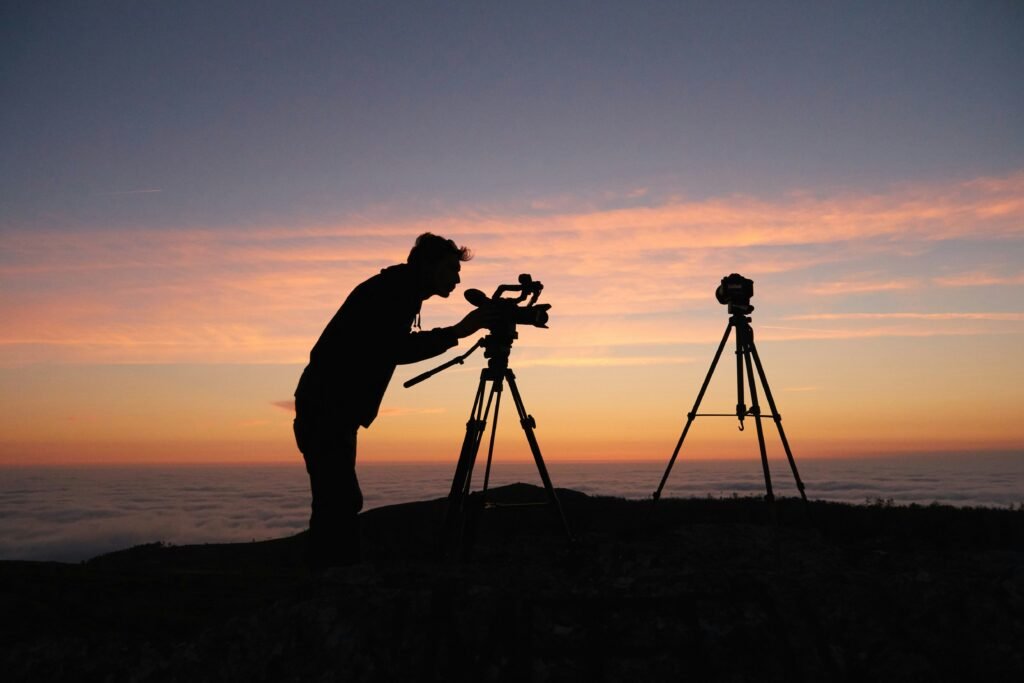
- Tripods and Monopods: These are your best friends for static shots or smooth pans and tilts. They eliminate handheld jitters and provide a stable, professional look.
- Gimbals and Stabilizers: For smooth, fluid camera movements while walking or running, a gimbal is a game-changer. It counteracts your movements, giving that cinematic glide.
The Language of the Lens: Composition and Framing
How you arrange elements within the frame, and how you choose to show them, is fundamental to how your audience interprets your video. It’s not just what you film, but how you film it that tells the story.
The Rule of Thirds: A Guiding Principle, Not a Straitjacket
This is one of the most commonly cited compositional guidelines. Imagine your frame is divided into nine equal sections by two horizontal and two vertical lines. Placing key subjects or elements along these lines or at their intersections often creates a more balanced and visually pleasing image than simply centering everything. It naturally draws the viewer’s eye to points of interest.
Leading Lines: Guiding the Viewer’s Eye
Think of natural lines within your scene – roads, fences, rivers, even the direction of a gaze – that lead the viewer’s eye through the frame and towards your subject. This technique creates depth and directs attention effectively. It’s like creating a visual pathway for your audience to follow.
Symmetry and Patterns: Creating Visual Harmony
Sometimes, perfectly balanced compositions can be incredibly strong. Look for symmetry in architecture, nature, or even repeating elements to create a sense of order, harmony, or even unease, depending on the context. Patterns can also be mesmerizing and draw the viewer in.
Negation Space: Letting Your Subject Breathe
Empty space in a frame, often referred to as negative space, can be just as important as the subject itself. It can make your subject stand out, convey a sense of isolation, or create a feeling of calm. Don’t be afraid of emptiness; it can be a powerful compositional tool.
Angles and Perspectives: Shifting the Narrative
The angle from which you shoot can drastically change the emotional impact of a scene.
Low-Angle Shots: Exaggerating Importance
Shooting from a low angle makes your subject appear larger, more powerful, or imposing. This is often used to make characters seem heroic or intimidating.
High-Angle Shots: Creating a Sense of Vulnerability
Conversely, a high-angle shot can make a subject appear smaller, weaker, or vulnerable. It can also offer a God’s-eye view, giving the audience a sense of overview and perspective.
Eye-Level Shots: Relatability and Neutrality
Shooting at eye-level creates a sense of connection and relatability with the subject, fostering a more neutral and direct engagement. It’s often the most natural way for us to perceive the world.
The Rhythm of Editing: Shaping Time and Emotion

Filming is only half the process. The real magic often happens in the editing suite, where raw footage is transformed into a cohesive narrative. Editing is where you control the pacing, build tension, and evoke emotion.
Cuts and Transitions: The Flow of the Story
The way you move between shots is crucial.
Jump Cuts: Creating Energy and Disruption
A jump cut is when you cut between two shots of the same subject that are very similar, creating a noticeable jump or break in continuity. While often avoided in traditional filmmaking, they can be used intentionally to create a sense of unease, speed, or to highlight a passage of time.
Dissolves and Fades: Smooth Transitions
Dissolves (where one shot gradually fades out while the next fades in) and fades (to or from black/white) are softer transitions that can indicate the passage of time, a change in location, or a shift in mood. They are gentler and more fluid than a hard cut.
Wipes and Other Transitions: Adding Style
While less common in serious documentary or narrative work, wipes and other more stylized transitions can be used to add flair or convey a specific visual convention, like moving from one scene to another in a comic book style.
Pacing: Controlling the Viewer’s Experience
The length of your shots and the speed at which you cut between them dictate the pace of your video.
Slow Pacing: Drawing Out Emotion
Longer shots and slower cuts can build atmosphere, allow the audience to absorb details, and create a sense of contemplation or tension. This is often used in dramatic or artistic pieces.
Fast Pacing: High Energy and Excitement
Quick cuts and shorter shots create a sense of urgency, excitement, or chaos. This is common in action sequences, music videos, or commercials.
Sound Design and Music: Enhancing the Narrative
As mentioned earlier, sound is paramount. In editing, it’s where you really bring it to life.
Foley and Sound Effects: Adding Verisimilitude
Beyond dialogue, adding sound effects (like footsteps, ambient room tone, rustling leaves) makes your video feel more real and immersive. Foley artists recreate these sounds in a studio.
Music: Setting the Emotional Tone
Your choice of music can dramatically influence how a scene is perceived. A somber score can make a mundane event feel tragic, while an upbeat track can inject joy into a simple activity. It’s about finding music that complements, not competes with, your visuals.
Beyond the Technicalities: The Art of Observation and Empathy

Videography, at its heart, is about observing the world and people around you and finding ways to translate those observations into compelling visual narratives. It requires a certain mindset.
Developing a Keen Eye for Detail
This involves noticing the small things that often go unnoticed: a fleeting expression, a subtle gesture, the way light falls on an object, the texture of a surface. These details can add depth, authenticity, and emotional resonance to your video. It’s about seeing beyond the obvious.
Understanding Your Subject: Empathy in Action
Whether you’re filming a documentary, a wedding, or a product, understanding your subject’s perspective, motivations, and emotions is key. This empathy allows you to capture their essence authentically. It means putting yourself in their shoes and trying to see the world through their eyes.
The Power of Authenticity: Real Moments
People respond to genuine moments. While videography involves technical skill, the goal is often to capture authentic interactions, emotions, and events as they unfold. This requires patience, respect for your subjects, and often, being in the right place at the right time – but also knowing how to anticipate it.
Storytelling Beyond Words: Visual Narrative
Sometimes, the most powerful stories are told without a single spoken word. Through careful framing, editing, and the use of visual cues, you can convey complex emotions, illustrate relationships, and build a compelling narrative. It’s about letting the images speak for themselves.
The Evolution of Videography: From Film Reels to Digital Streams
| Category | Metrics |
|---|---|
| Number of Photos Taken | 500 |
| Number of Videos Recorded | 50 |
| Photoshoot Duration | 4 hours |
| Video Duration | 1 hour |
Videography has undergone a massive transformation over the decades, fundamentally changing how stories are told and how we consume visual media.
The Analog Era: Film and its Limitations
In the early days, videography was synonymous with filmmaking. This involved shooting on celluloid film, which was expensive, cumbersome, and required developing processes.
- Limited Takes: Every foot of film was precious, leading to fewer takes and a greater emphasis on meticulous planning and performance.
- Physical Medium: Distribution involved physical reels of film, making wider dissemination a logistical challenge.
- Distinct Aesthetic: Film has a unique texture and look that many still find appealing, often characterized by its grain and color rendition.
The Digital Revolution: Accessibility and Versatility
The advent of digital technology democratized videography, making it accessible to a much wider audience.
- Affordability and Ease of Use: Digital cameras, from DSLRs to smartphones, became significantly more affordable and user-friendly. Storage became digital and rewritable.
- Instant Feedback: The ability to review footage instantly on a camera screen or monitor allowed for immediate adjustments and learning.
- Post-Production Power: Digital editing software, like Adobe Premiere Pro, Final Cut Pro, and DaVinci Resolve, offered unprecedented control over the editing process.
- Internet Distribution: The internet and streaming platforms (YouTube, Vimeo, social media) opened up global distribution channels, allowing creators to reach audiences without traditional gatekeepers.
The Rise of the Creator Economy: New Avenues for Videographers
The digital landscape has also fostered new career paths and opportunities.
Content Creation for Online Platforms
This includes YouTubers, social media influencers, and creators producing content for various platforms. They often handle all aspects, from shooting to editing to marketing.
Corporate and Commercial Videography
Businesses increasingly rely on video for marketing, training, internal communications, and brand storytelling. This requires a professional approach to product demos, explainer videos, and promotional content.
Event Videography
From weddings and corporate events to concerts and conferences, capturing live moments requires a blend of technical skill and an ability to anticipate action and tell a story unfolding in real-time.
Documentary and Narrative Filmmaking Online
Independent filmmakers are using digital tools to produce documentaries and narrative shorts, leveraging online platforms for distribution and audience engagement.
In essence, videography is a dynamic and evolving art form. It’s about mastering technical skills, developing a creative vision, and understanding how to connect with an audience through the power of moving images and sound. It’s a journey of constant learning, experimentation, and storytelling.