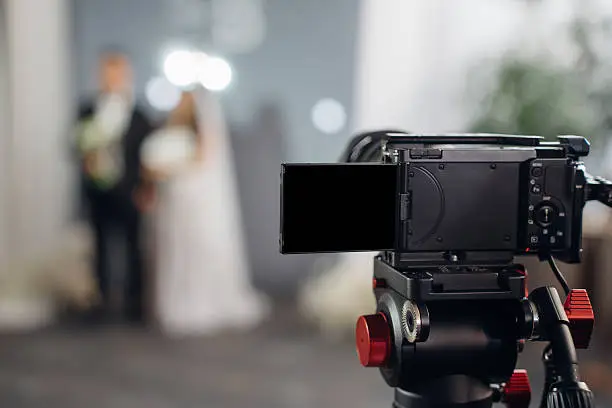
Ever wondered what goes on behind those stunning wedding photos or the dynamic video clips that tell a brand’s story? It’s all about capturing moments, and that’s precisely where the skill of a videographer and photographer truly shines. They’re more than just people with fancy cameras; they’re storytellers, artists, and technical wizards all rolled into one, tasked with transforming fleeting instants into lasting memories or powerful communication tools.
The Visual Architects of Your Story
Think of them as your visual architects. Whether it’s the emotional rollercoaster of your wedding day, the unique energy of a corporate event, or the heartfelt milestones of your family, these professionals are the ones who ensure those experiences aren’t lost to time or hazy recollection. They freeze a smile, record a laugh, and weave together a narrative that you can revisit again and again.
Beyond Just Taking Pictures and Videos
It’s easy to think of it as simply pointing and shooting, but there’s so much more to it. The best videographers and photographers understand the why behind the shot. They’re not just documenting; they’re interpreting, directing, and anticipating. They create a tangible representation of an event or a message, making it accessible and impactful for everyone, even those who weren’t there.
While both professions involve visual capture, their methodologies, skill sets, and end products are quite different. Understanding these distinctions is key to knowing which one, or both, you might need for your particular project.
The Photographer: Masters of the Frozen Moment
A photographer’s primary goal is to capture a single, powerful image that encapsulates emotion, action, or a scene’s essence. They work with light, composition, and timing to create a masterpiece that can hang on a wall or be shared instantly.
The Art of Composition and Framing
Photographers are trained to see the world differently. They understand how to use leading lines, the rule of thirds, and negative space to draw the viewer’s eye. The way they frame a subject, the background they choose, or the perspective they adopt can fundamentally alter the impact of a photograph. It’s about creating visual harmony that tells a story in a single frame.
Understanding Light: The Photographer’s Palette
Light is the photographer’s primary tool. Whether it’s the soft glow of a sunset, the harsh shadows of midday, or the strategically placed artificial lighting for a studio shoot, a photographer manipulates light to create mood, reveal texture, and sculpt their subjects. They understand how natural and artificial light behaves and how to use it to their advantage to achieve a desired aesthetic.
Capturing Emotion in a Still Frame
This is where the real magic happens. A skilled photographer can capture genuine emotion without it feeling staged. It requires patience, observation, and an ability to anticipate a moment. That split-second expression of joy, surprise, or tenderness is what makes a photograph truly memorable. They become observers of human connection, freezing those fleeting connections for eternity.
The Videographer: Weavers of Moving Narratives
A videographer’s focus is on creating a dynamic, moving story. They capture sequences of images and sounds that flow together to create an immersive experience. This involves not just shooting but also an understanding of pacing, narrative structure, and audio.
The Power of Motion and Time
Unlike a photograph, a video exists in time. Videographers understand how to use pacing, editing, and continuity to guide the viewer through a narrative. They can build suspense, evoke emotion through slow-motion, or convey energy through fast cuts. The passage of time itself becomes a storytelling element.
Sound Design: The Unsung Hero of Video
While visuals are paramount, sound is equally crucial in video. Videographers are mindful of ambient sounds, dialogue clarity, and the impact of music. A well-placed sound effect or a carefully chosen soundtrack can dramatically enhance the mood and emotional resonance of a video. It’s about creating a complete sensory experience.
Storytelling Through Sequences
A video isn’t just a collection of clips; it’s a constructed narrative. Videographers think about the beginning, middle, and end of their story. They plan shots that can be assembled to create a cohesive and engaging viewing experience. This often involves shooting B-roll (supplementary footage) to add depth and context to the main action.
The Synergy: When Both Are Essential
In many situations, the combined talents of a photographer and a videographer offer the most comprehensive and compelling way to capture an event or convey a message. They can complement each other, providing different perspectives and preserving different facets of an experience.
The Photographer’s Toolkit and Techniques
Stepping behind the lens of a still camera is an art form that relies on a specific set of tools and honed techniques. It’s about intention and precision.
Essential Equipment: More Than Just the Camera Body
While the camera body is the core, it’s the lenses that truly define a photographer’s style and capabilities.
Lenses: The Eyes of the Photographer
- Prime Lenses: These fixed focal length lenses (e.g., 50mm, 85mm) are often sharper and perform better in low light than zoom lenses. They force the photographer to “zoom with their feet,” which can lead to more deliberate composition. Portrait photographers often favor primes for their ability to isolate subjects with beautiful background blur (bokeh).
- Zoom Lenses: These offer versatility, allowing the photographer to change focal length without changing lenses. They are invaluable for events where quick adjustments are needed, like sports or wildlife photography. However, their flexibility can sometimes come at the cost of aperture size and sharpness compared to primes.
- Wide-Angle Lenses: Perfect for capturing expansive landscapes, architecture, or creating a sense of immersion in a scene. They can also make small spaces appear larger.
- Telephoto Lenses: These are used to magnify distant subjects, essential for sports, wildlife, and candid event shots where getting close isn’t an option.
Lighting Control: Shaping the Mood
- Natural Light: Understanding how to use sunlight, whether direct or diffused, is fundamental. Adjusting position relative to the sun or using reflectors can dramatically alter the outcome.
- Speedlights/Flashes: Portable external flashes are crucial for adding light in dim conditions or for more artistic control, like freezing motion or creating dramatic shadows. They can be used on-camera or, more commonly, off-camera with triggers for more controlled lighting setups.
- Continuous Lighting: LED panels or other continuous lights offer a constant light source, making it easier to see how light falls and is particularly useful for video as well.
Other Crucial Gear
- Tripod: Essential for sharp, stable shots, especially in low light or for long exposures. It also aids in consistent framing for product or architectural photography.
- Reflectors and Diffusers: These simple tools bounce or soften light, helping to fill in shadows and create more flattering illumination for subjects.
- Memory Cards and Batteries: Having plenty of spares is non-negotiable for any professional shoot. Running out of either means missed opportunities.
Key Photographic Techniques: Beyond the Basics
Great photographs are often the result of applying specific techniques with intention.
Understanding Depth of Field
This refers to the range of distance in a photo that appears acceptably sharp.
- Shallow Depth of Field: Achieved by using a wide aperture (low f-number) and a longer focal length. This blurs the background, isolating the subject and creating that desirable bokeh. Ideal for portraits.
- Deep Depth of Field: Achieved by using a narrow aperture (high f-number). This keeps both the foreground and background in sharp focus. Essential for landscapes and architectural photography.
Exposure Triangle Mastery
The interplay of ISO, aperture, and shutter speed determines how bright or dark your image is.
- ISO: Controls the camera sensor’s sensitivity to light. Higher ISO allows for shooting in darker conditions but can introduce digital noise.
- Aperture (f-stop): Controls the amount of light entering the lens and influences depth of field.
- Shutter Speed: Controls how long the sensor is exposed to light. Faster shutter speeds freeze motion, while slower speeds allow for motion blur or capture more light.
Compositional Rules (and When to Break Them)
These are guidelines, not rigid laws, but understanding them helps create visually pleasing images.
- Rule of Thirds: Dividing the frame into nine equal sections and placing key elements along the lines or at their intersections.
- Leading Lines: Using natural lines in the scene (roads, fences, rivers) to guide the viewer’s eye towards the subject.
- Symmetry and Patterns: Identifying and using repeating elements or mirrored images to create visual interest.
- Symmetry and Patterns: Identifying and using repeating elements or mirrored images to create visual interest.
Capturing Candid Moments
This requires observation skills and being ready to shoot at a moment’s notice. It’s about anticipating natural interactions and expressions, rather than demanding poses. This is particularly relevant for events like weddings or family gatherings.
The Videographer’s Craft and Technical Demands

Video production is a multi-faceted discipline that requires a blend of artistic vision and technical proficiency, often demanding more complex gear and post-production workflows.
The Videographer’s Arsenal: Capturing Motion and Sound
The equipment for videography goes beyond still cameras and often involves specialized tools for capturing smooth motion and high-quality audio.
Cameras and Lenses for Video
- Cinema Cameras: While DSLRs and mirrorless cameras can shoot incredible video, dedicated cinema cameras offer features like higher frame rates, better dynamic range, and more robust codecs for professional post-production.
- Video Lenses: Often designed for smoother focus pulling and a more cinematic depth of field. Many are also parfocal, meaning they maintain focus as you zoom, which is crucial for continuous shots.
- Lenses for Storytelling: Just as with photography, lens choice dictates the look. Wide lenses can create immersion, telephotos compress scenes, and prime lenses offer that desirable shallow depth of field.
Stabilizing the Shot: Smoothness as a Standard
Shaky footage is jarring and unprofessional. Videographers employ various methods to ensure smooth, stable shots.
- Tripods and Monopods: Even for video, tripods provide a stable base. Monopods offer some stability while allowing for more mobility than a full tripod.
- Gimbals: These electronic stabilizers use motors and gyroscopes to counteract camera shake and movement, allowing for fluid, dynamic shots while walking or moving.
- Dolly and Slider Systems: These allow for smooth, controlled horizontal or vertical camera movements, adding a professional polish to footage.
Audio Capture: The Often-Overlooked Element
High-quality audio is non-negotiable for professional video. Bad audio can ruin even the most beautifully shot footage.
- Shotgun Microphones: These directional microphones are designed to pick up sound from a specific direction while rejecting ambient noise, ideal for capturing dialogue or specific sounds on set.
- Lavaliere (Lapel) Microphones: Small microphones that clip onto clothing, perfect for capturing clear dialogue from individuals, especially in interviews or presentations.
- Wireless Audio Systems: Essential for giving subjects freedom of movement without a dangling cable, crucial for run-and-gun shooting or interviews.
- Field Recorders: Separate audio recorders can offer higher quality recording and more control over audio levels than what’s built into the camera.
Lighting for Video: Creating Atmosphere
Similar to photography, lighting is vital, but it must also consider the needs of moving images and the continuity of scenes.
- Continuous LED Panels: These are popular for video due to their ease of use and consistent light output, allowing videographers to see the effect of the light in real-time.
- Three-Point Lighting: A fundamental technique using a key light (main source), fill light (softens shadows), and backlight (separates subject from background) to create dimension and shape.
- Portable Lighting Kits: For on-location shoots, compact and powerful lighting kits are essential for creating professional-looking scenes even when natural light is insufficient.
Key Videography Techniques: Crafting the Narrative
Beyond simply recording, videographers employ specific techniques to build compelling visual stories.
Framing and Coverage
- Establishing Shots: Wide shots that set the scene and provide context for the viewer.
- Medium Shots: Show subjects from the waist up, useful for dialogue and action.
- Close-ups: Focus on details, emotions, or specific actions, adding impact and intimacy.
- B-Roll: Supplementary footage that adds visual interest and covers cuts in audio or main action. This can include shots of the environment, details, or reactions.
Motion and Pacing
- Smooth Pans and Tilts: Controlled camera movements to follow action or reveal a scene.
- Tracking Shots: Following a subject as they move, creating a sense of immersion and dynamic energy.
- Slow Motion: Used to emphasize action, emotion, or create a dramatic effect.
- Jump Cuts vs. Seamless Edits: The edit itself dictates the pacing. Jump cuts can create tension or energy, while seamless edits aim for a natural flow.
Storyboarding and Shot Lists
Before shooting, many videographers create storyboards (visual outlines of shots) or shot lists to ensure they capture all the necessary elements for their narrative. This organized approach is crucial for efficiency and for achieving the desired final product.
The Creative Process: From Concept to Final Product

Both photographers and videographers engage in a similar, yet distinct, creative process that involves several key stages. It’s not just about showing up with gear.
Pre-Production: The Blueprint for Success
This is where the planning happens. A solid pre-production phase can make or break a project, ensuring everyone is on the same page and that the final output meets expectations.
Understanding Client Needs and Vision
- Briefing and Consultation: This is the initial conversation where the client explains their goals, desired aesthetic, budget, and timeline. The professional needs to ask probing questions to fully grasp the vision.
- Mood Boards and Reference Images: For photographers, this might involve collecting images that reflect the desired style. For videographers, it could be clips from films or other videos that capture the intended mood or narrative flow.
- Location Scouting: Finding the right locations is crucial for both. For photographers, it’s about light and background. For videographers, it’s also about sound, space for equipment, and the movement potential of the area.
Developing a Concept and Strategy
- Brainstorming Ideas: Based on the client’s needs, the professional will brainstorm creative approaches. This might involve different angles, lighting styles, or narrative structures.
- Shot List/Outline: For photographers, this might be a list of key shots they need to capture (e.g., bride walking down the aisle, groom’s reaction). For videographers, this is more detailed, outlining sequences and camera movements.
- Logistics Planning: This includes scheduling, travel arrangements, permits, and coordinating with other vendors (e.g., event planners, venue staff).
Production: The Heart of the Capture
This is the actual shooting phase, where the planning comes to life. It’s a demanding period requiring focus, adaptability, and often long hours.
On-Set Execution
- Directing and Guiding: Especially in video, the videographer might need to direct subjects to achieve specific actions or reactions. For photography, it’s more about anticipating moments and subtly guiding people into natural poses.
- Technical Adjustments: Constantly monitoring light, focus, sound (for video), and exposure to ensure high-quality captures throughout the shoot.
- Problem Solving: Things rarely go exactly as planned. Professionals need to be ready to adapt to unexpected challenges, whether it’s weather, technical glitches, or last-minute changes.
Maintaining an Observational Eye
Even when directing, maintaining a sense of observation is key. Noticing small details, genuine interactions, and unexpected opportunities can elevate the final product. This applies to both capturing a fleeting expression in a photo or noticing a spontaneous moment of connection in video.
Post-Production: Refining and Assembling
This is where the raw footage or images are transformed into a polished, final product. It’s as critical as the shooting phase.
For Photographers: The Digital Darkroom
- Culling and Selection: Reviewing hundreds or thousands of images to select the best ones, ensuring each chosen photo tells a story or meets the aesthetic criteria.
- Editing and Retouching: Using software like Adobe Lightroom or Photoshop to adjust exposure, contrast, color balance, and crop images. Advanced retouching might involve removing blemishes, distractions, or even compositing elements.
- Color Grading: Ensuring a consistent look and feel across all images, which can involve applying specific color palettes to evoke a certain mood.
- Delivery: Providing images in the agreed-upon format and resolution, often through online galleries or digital delivery.
For Videographers: Weaving the Narrative
- Editing and Assembly: Piecing together shots in chronological order or according to the narrative arc. This involves selecting the best takes, trimming clips, and creating smooth transitions.
- Color Correction and Grading: Adjusting the colors to ensure consistency and to achieve a specific look or mood. This can involve making footage look natural or applying stylistic color palettes.
- Sound Editing and Mixing: Cleaning up audio, adding music, sound effects, and ensuring dialogue is clear and balanced. This is a crucial step in creating an immersive viewing experience.
- Adding Graphics and Titles: Incorporating motion graphics, lower thirds (text overlays), or title sequences to enhance the narrative and provide information.
- Rendering and Exporting: Finalizing the video and exporting it in appropriate formats for different platforms (e.g., web, broadcast, social media).
When to Hire Them: Applications and Benefits
| Category | Videographer | Photographer |
|---|---|---|
| Experience | 5 years | 8 years |
| Equipment | 4K cameras, drones | DSLR, lenses |
| Services | Event coverage, editing | Portrait, wedding, editing |
| Clientele | Corporate, weddings | Individuals, businesses |
Understanding the distinct value each professional brings helps in deciding when and why to invest in their services.
Documenting Life’s Milestones
The most common reason people hire photographers and videographers is to capture significant personal events.
Weddings: Preserving the Beginning of a New Chapter
- Photographers: Capture the candid emotions, the grand moments, and the intimate details that make up a wedding day. They create a visual legacy of the celebration.
- Videographers: Immortalize the movement, the vows spoken, the laughter, the music, and the general atmosphere. A wedding film brings the day back to life with sound and motion.
- Combined Value: Together, they offer a holistic record of the day, with photos for immediate sharing and display, and a film for a more immersive, emotional revisit.
Family Portraits and Events
- Family Portraits: Create lasting heirlooms that document a family’s growth and changing dynamics. A good photographer can make even a posed session feel natural and capture genuine connections.
- Anniversaries, Birthdays, Graduations: These are special occasions worthy of professional documentation. A photographer can capture the guests, the atmosphere, and the key moments of celebration. Videography can add dynamism to events like surprise parties or live performances at a family gathering.
Business and Marketing Needs
Beyond personal events, photographers and videographers are indispensable for businesses looking to promote themselves and connect with their audience.
Branding and Marketing Materials
- Product Photography: High-quality images are essential for e-commerce websites, brochures, and advertising. A professional photographer understands how to showcase products in their best light, highlighting features and textures.
- Corporate Headshots: Professional headshots are crucial for LinkedIn profiles, company websites, and press materials, projecting an image of competence and approachability.
- Brand Story Videos: Businesses use videography to tell their story, introduce their team, explain their services, or showcase their company culture. This builds trust and emotional connection with potential customers.
- Promotional Videos: Short, engaging videos for social media or ad campaigns can effectively capture attention and drive interest in products or services.
Events and Conferences
- Capturing Professional Events: For conferences, trade shows, or corporate parties, photographers document the attendees, the speakers, and the overall event atmosphere. This can be used for future marketing or internal recaps.
- Event Highlight Reels: Videographers create dynamic highlight videos that capture the energy and key takeaways of a corporate event, serving as excellent promotional material or a way to share the experience with those who couldn’t attend.
- Testimonials and Interviews: Professional videographers can conduct interviews with speakers, attendees, or clients to gather valuable testimonials that build credibility and provide social proof.
Artistic and Creative Projects
Many artists, musicians, and content creators rely on visual professionals to bring their visions to life.
Music Videos and Performances
- Visualizing Music: Videographers work with musicians to translate the emotion and narrative of their songs into compelling visual stories through music videos.
- Capturing Live Performances: High-quality multi-camera video recordings of live concerts or performances can be used for promotional purposes, distribution, or as a standalone piece of art.
Online Content Creation
- YouTube Channels and Social Media: Many YouTubers and social media influencers rely on videographers for high-quality video production to create engaging content that attracts and retains an audience.
- Documentaries and Short Films: Independent filmmakers and documentarians utilize the skills of both photographers and videographers to capture compelling narratives and create their artistic visions.
The Value Proposition: More Than Just Pretty Pictures
Hiring a professional photographer or videographer isn’t just an expense; it’s an investment in preserving memories, enhancing a brand’s image, and communicating a message effectively. The value they bring extends far beyond the technical.
Expertise and Skill
They possess years of training, practice, and a deep understanding of their craft. This translates into a level of quality, creativity, and problem-solving that is difficult to replicate with amateur equipment or skills. They know what works, how to anticipate moments, and how to overcome challenges to deliver exceptional results.
Time and Peace of Mind
Attempting to capture high-quality photos or videos yourself can be incredibly time-consuming and stressful, especially during a significant event. Hiring professionals allows you to focus on experiencing the moment, confident that its visual documentation is in capable hands. For businesses, this frees up internal resources to focus on core operations.
Professional Equipment and Quality
Professionals invest in high-end equipment that produces superior results. Their cameras, lenses, lighting, and audio gear are designed for professional use, allowing them to capture images and video with clarity, detail, and dynamic range that consumer-level equipment often cannot match.
Unique Perspective and Storytelling
They bring a unique artistic eye and a storyteller’s instinct. They can see opportunities for powerful shots or narrative angles that you might miss. Their ability to frame a scene, capture emotion, and construct a visual story is what transforms raw moments into compelling pieces of art or effective marketing tools.
Lasting Memories and Tangible Assets
The images and videos captured by professionals become tangible assets. They are the memories you will revisit for years to come, the stories you will share with future generations, and the powerful visual representations of your brand that can drive engagement and growth. They are a way to freeze time and hold onto experiences, ensuring they aren’t forgotten.