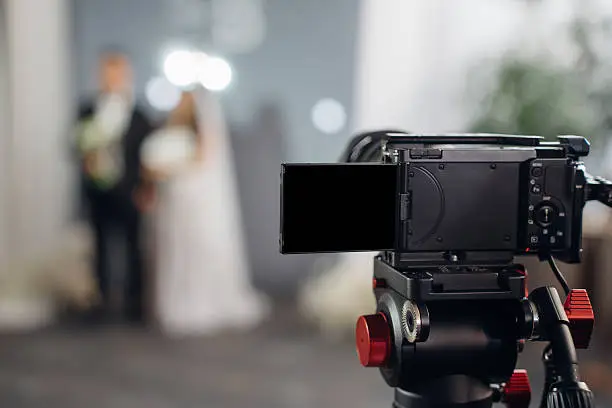
Cinematic wedding videography and photography are about telling your unique love story in a film-like, artistic way, going beyond just documenting the day. Think less point-and-shoot, and more weaving together emotions, details, and natural moments into a cohesive narrative that feels like a beautiful movie trailer or short film about your wedding. It’s about capturing the essence of your day, not just the events, using professional techniques to create a timeless keepsake.
At its heart, cinematic wedding videography and photography aim to evoke feeling and tell a story, much like a film. It’s an approach that combines technical skill with an artistic vision to create a dynamic and emotionally resonant output. Instead of simply recording what happens, professionals in this field are actively crafting a narrative.
More Than Just Recording
Imagine the difference between a home video and a movie trailer. A home video simply records events. A movie trailer uses specific camera angles, lighting, music, and editing to build anticipation and emotion. Cinematic wedding media applies this “movie magic” to your special day. It’s about creating an atmosphere and an emotional journey for the viewer.
A Focus on Storytelling
The core principle here is storytelling. Your wedding isn’t just a series of events; it’s a chapter in your love story. Cinematic pros look for those intimate glances, the shared laughter, the tearful vows, and the joyful celebration to meticulously weave them into a coherent and compelling narrative. They’re not just capturing moments; they’re capturing the feeling of those moments.
The “Cinematic Look”
This often involves specific visual elements. You’ll frequently see shallow depths of field (where the subject is in sharp focus and the background is softly blurred), sweeping camera movements (like those achieved with gimbals or drones), and artful use of natural and artificial light. The goal is to create visuals that are rich, textured, and visually engaging, much like what you’d see on the big screen.
Key Elements of Cinematic Wedding Videography
When it comes to videography, several elements come together to create that polished, film-like feel. It’s not just one trick; it’s a combination of meticulous planning and execution.
Professional Camera Equipment
This is where the magic starts. Cinematic videographers typically use high-end cameras capable of shooting in various formats and resolutions, often with interchangeable lenses.
High-Quality Cameras
Mirrorless or DSLR cameras are common, sometimes even cinema cameras, providing superior image quality, dynamic range, and low-light performance. This allows for rich, detailed footage even in challenging lighting conditions.
Gimbal Stabilizers
No one wants shaky footage. Gimbals are essential for smooth, flowing camera movements that give that professional, gliding feel. They eliminate jarring bumps and provide a sense of seamless motion.
Drone Footage
For those breathtaking aerial shots of your venue, the surrounding landscape, or a unique perspective of your guests, drones are a fantastic tool. They add a grand, sweeping element to the final video.
Multiple Lenses
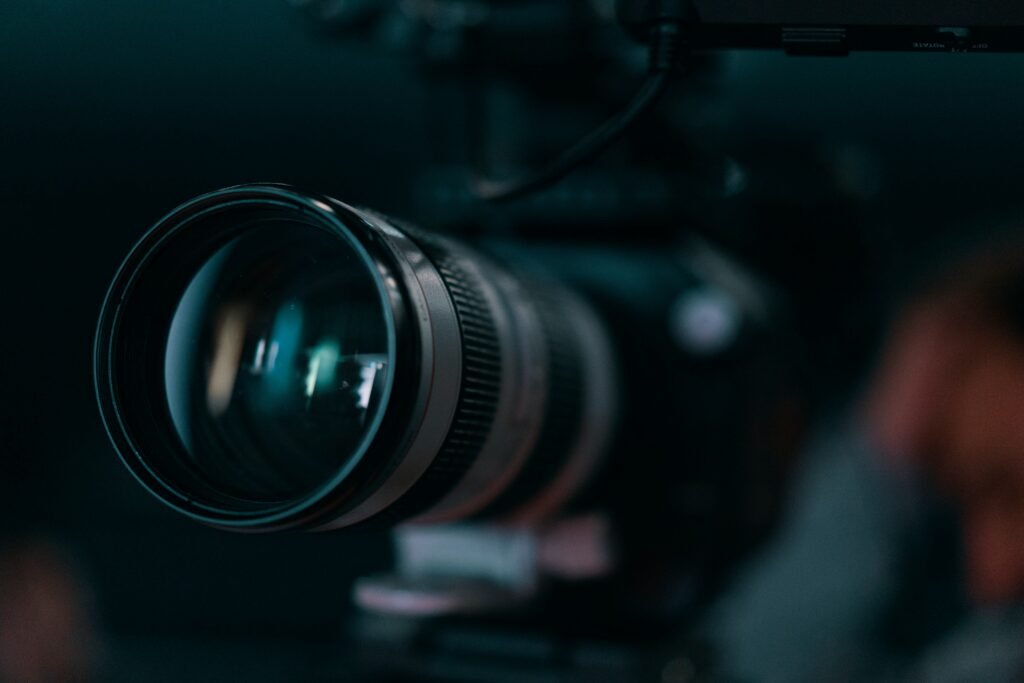
Different lenses achieve different looks. Wide-angle lenses for establishing shots, prime lenses for shallow depth of field and intimate portraits, and telephoto lenses for capturing details from a distance without intruding.
Expert Filming Techniques
Beyond the equipment, how the videographer uses it is crucial. These aren’t just snapshots; they’re carefully composed frames.
Intentional Camera Angles
Rather than simply pointing and shooting, cinematic videographers thoughtfully choose angles to enhance the story. This might involve low-angle shots for grandeur, overhead shots for perspective, or close-ups to capture emotion.
Dynamic Movement
Instead of static shots, you’ll often see fluid camera movements – tracking shots, subtle pans, or slow zooms – all designed to keep the viewer engaged and add visual interest.
Selective Focus
This is a signature cinematic technique. By keeping the subject sharp and blurring the background (shallow depth of field), the videographer directs the viewer’s eye and creates a sense of intimacy or importance around the subject.
Artistic Editing & Post-Production
The real transformation happens in the edit suite. This is where raw footage is shaped into a cohesive and emotional narrative.
Narrative Structure
The editor carefully pieces together clips to build a storyline, moving from one moment to the next in a way that makes sense emotionally and chronologically (or sometimes non-chronologically for artistic effect).
Color Grading
This is akin to a film’s “look” or “feel.” Color grading adjusts the color, contrast, and saturation of the footage to create a consistent and appealing aesthetic, whether it’s warm and romantic, or cool and moody.
Pacing & Timing
How long each shot lasts, the rhythm of the cuts, and the overall tempo of the video all contribute to its emotional impact. Fast cuts for high energy, slow dissolves for more poignant moments.
Sound Design & Music Selection
The right music is paramount. It sets the tone, evokes emotion, and guides the viewer through the story. Sound design also includes incorporating natural audio (vows, speeches, laughter) and sometimes adding subtle sound effects to enhance the experience.
The Approach to Cinematic Wedding Photography

While videography focuses on motion and sound, cinematic photography also aims for that narrative, artistic quality, but in still images. It’s about capturing moments that tell a story in a single frame.
Beyond Posed Shots
Cinematic photographers actively seek out candid, authentic moments that reveal emotion and connection. While some posed shots are inevitable and important, the focus is heavily on documenting the natural flow of the day.
Capturing Raw Emotion
A tear rolling down a cheek, a genuine burst of laughter, a comforting embrace – these are the moments that truly convey feeling and make a photograph resonate deeply.
Documenting Unscripted Interactions
The quiet moments between speeches, the playful banter during getting ready, the shared glances between family members – these “in-between” moments often tell the most authentic story.
Artistic Composition & Lighting
Every photograph is a carefully crafted frame, much like a painting.
Creative Angles
Similar to videography, photographers use unique angles to add drama, perspective, and visual interest to their shots, moving beyond eye-level perspectives.
Strategic Use of Light
Light sculpts a scene. Cinematic photographers are masters of natural light, understanding how to use it to create mood, highlight subjects, and add depth. They also know when and how to creatively use artificial lighting to achieve specific effects.
Depth and Dimension
Using techniques like leading lines, framing, and shallow depth of field, photographers create images that have a sense of depth, drawing the viewer’s eye into the scene.
Post-Processing for a Signature Look
The work doesn’t stop when the shutter clicks. Post-processing is integral to achieving the cinematic aesthetic in still images.
Consistent Color Grading
Just like in video, color grading is applied to photos to create a cohesive and artistic look across the entire gallery, enhancing the mood and emotion of each image.
Retouching and Enhancements
This isn’t about altering reality, but about refining the image – subtle skin smoothing, removing distractions, enhancing details, all while maintaining a natural and authentic feel.
Creating a “Film-Like” Aesthetic
Many cinematic photographers aim for a timeless, film-like grain or color palette that goes beyond the sharp, sterile look of some digital photos, lending a nostalgic and artistic quality.
Benefits of Choosing a Cinematic Approach

Opting for cinematic wedding media offers distinct advantages over more traditional approaches, providing an end product that is deeply personal and enduring.
A Timeless Keepsake
These aren’t just photos or videos; they are works of art that capture a significant milestone in your life in a beautiful, storytelling format. They stand the test of time, evoking emotions years down the line.
Reliving the Emotions
More than just remembering what happened, cinematic pieces allow you to feel what happened again – the joy, the nervousness, the love, the celebration. The carefully chosen music and narrative pace contribute greatly to this.
A Family Heirloom
Your wedding footage and photos become a valuable part of your family history, something to be shared with future generations, allowing them to experience a piece of your special day.
Uniquely Your Story
A good cinematic team focuses on your story, your personalities, and your unique relationship, rather than following a generic template.
Personalised Narrative
From the music selection to the editing style, every element is curated to reflect who you are as a couple and the unique atmosphere of your wedding day.
Focus on Authentic Moments
The emphasis on candid and unscripted moments ensures that the final product truly represents the genuine emotions and interactions of your day, not just a series of staged scenes.
Professional Quality
The investment in cinematic videography and photography means you’re getting a superior product crafted by skilled artists.
High Production Value
From the equipment used to the final editing, everything is done with a high level of professionalism, resulting in a polished and high-quality output.
Experienced Storytellers
These aren’t just technicians; they are artists who understand how to identify and capture key moments and weave them into a compelling visual narrative.
What to Look For When Hiring
| Metrics | Wedding Videography | Wedding Photography |
|---|---|---|
| Number of Hours Coverage | 6-12 hours | 6-10 hours |
| Number of Edited Photos/Videos | 200-500 photos, 30-60 min video | 300-800 photos |
| Delivery Time | 4-8 weeks | 4-10 weeks |
| Additional Services | Drone footage, same-day edit | Engagement shoot, photo album |
Choosing the right cinematic team is crucial. It’s about finding people whose vision aligns with yours and who you feel comfortable having around on your wedding day.
Portfolio & Style
This is your first and most important step. Review their previous work extensively to ensure their aesthetic matches what you envision for your own wedding.
Consistency in Work
Look for a consistent style and quality across their portfolio. Does every video or photo gallery feel intentional and well-executed?
Emotional Resonance
Does their work make you feel something? Do the videos and photos effectively tell a story and evoke emotion?
Editing Style
Pay attention to their editing. Do you prefer a bright and airy look, or something moodier and more dramatic? A fast-paced edit, or something slower and more reflective?
Communication & Personality
You’ll be spending a lot of time with these individuals, so personality matters.
Responsiveness
Are they prompt and clear in their communication? This is a good indicator of their professionalism.
Collaborative Approach
Do they listen to your ideas and preferences, or do they seem to have a one-size-fits-all approach?
Comfort Level
During your consultations, do you feel comfortable and at ease with them? This is vital for natural interactions on your wedding day.
Contract & Deliverables
Always clarify what you’re signing up for.
Clear Contract Details
Ensure all services, hours of coverage, payment schedules, and cancellation policies are clearly outlined.
Specific Deliverables
Understand exactly what you will receive: number of photos, length of video, number of videographers/photographers, raw footage availability, and expected delivery times.
Rights & Usage
Clarify who owns the rights to the footage/photos and how they can be used (e.g., for promotion by the vendor).
Making Your Wedding Day Cinematic
While the professionals do the heavy lifting, there are things you can do to help them create the best possible cinematic output.
Trust Your Vendors
You’ve hired them for their expertise. Let them do their job. While it’s important to communicate your vision, also give them the creative freedom to capture moments naturally.
Be Authentic
Don’t constantly “perform” for the camera. The most beautiful cinematic pieces come from genuine reactions and interactions. Forget the camera is there and just enjoy your day.
Communicate Your Vision
Share your love story with them, and any specific moments or people you especially want highlighted. This helps them understand what’s most meaningful to you.
Consider Your Setting
The environment plays a huge role in the visual aesthetic.
Lighting
Embrace natural light as much as possible, especially for getting ready photos. Discuss lighting options with your venue and vendors.
Beautiful Backdrops
If you have scenic locations nearby, discuss incorporating them into your portrait sessions.
Uncluttered Spaces
A clean, uncluttered space for getting ready, for example, allows the focus to remain on you and your emotions, rather than distractions.
Embrace Candid Moments
The truly cinematic quality often comes from unscripted, natural interactions.
Let Moments Unfold
Don’t try to force moments. Let the day flow organically, and your videographer/photographer will be there to capture the magic as it happens.
Engage with Guests
Your interactions with loved ones will provide a wealth of authentic moments for capture.
Choosing cinematic wedding videography and photography is an investment in preserving your memories in the most beautiful, artful, and emotionally resonant way possible. It’s about creating an heirloom that doesn’t just show what happened, but makes you feel your wedding day every time you watch or look back at it.