So, you’re deep in wedding planning and wondering about the magic behind those beautiful wedding videos? Specifically, what does a wedding videographer actually cost? It’s a common question, and the short answer is: it varies a lot, but you’re generally looking at a range that can go from around $1,000 for a basic package to $5,000 or more for comprehensive coverage.
Think of it like this: if you’re buying a car, you can get a reliable sedan or a luxury SUV. Both get you from A to B, but the features, the experience, and the price tag are quite different. Wedding videography is similar. The final price tag depends on what you’re looking for in your wedding film and who you hire to create it. Let’s break down the factors that shape that cost so you can budget smartly and find the right fit for your big day.
When you hire a wedding videographer, you’re not just paying for a few hours of filming on your wedding day. There’s a whole lot of work that happens before and after the cameras stop rolling. Understanding this “behind-the-scenes” effort really helps justify the cost and appreciate the artistry involved.
The Planning and Pre-Production Stage
This is often underestimated but is crucial for a good outcome.
Initial Consultations and Booking
Before they even sign a contract, videographers will spend time talking with you. This might be an initial phone call, an in-person meeting, or a detailed questionnaire session. They need to understand your story, your vision, your guest list, the venue, and any specific moments you absolutely want captured. This upfront time is about ensuring they’re a good fit for you and that they can deliver what you’re hoping for.
Understanding Your Vision
A good videographer will actively listen to your ideas. Do you want a cinematic, documentary-style film? Are you after something short and sweet for social media, or a longer, more comprehensive narrative? Do you have a particular music genre in mind? The more specific you are, the better they can tailor their approach, but this also means they’re putting more thought into the execution.
Scouting and Logistics
If your venue is unique or requires special access, the videographer might do a site visit. They’ll scout shot locations, check lighting conditions, and plan how they’ll navigate the space without being intrusive. This helps them create a shot list and a workflow for the day.
The Wedding Day Itself: It’s More Than Just Filming
This is the part most people see, but there’s a lot more to it than just pointing and shooting.
Multiple Shooters and Equipment
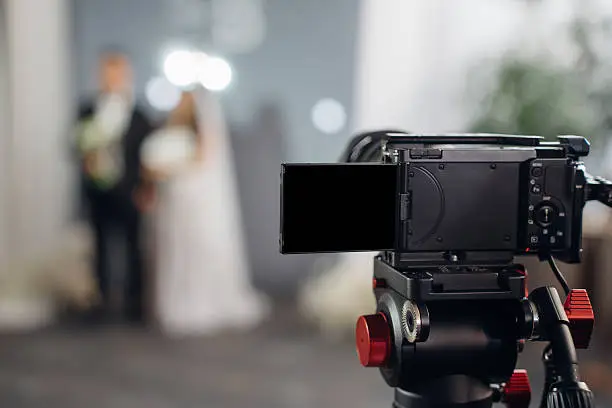
For coverage of getting ready, ceremony, reception, and detail shots simultaneously, you’ll often need more than one videographer. Each shooter brings their own expensive gear – cameras, lenses, tripods, gimbals, drones, audio equipment, lighting. The more coverage you need or the more complex the setup (like a large venue or multiple locations), the more hands and gear are involved.
Capturing the Atmosphere and Emotion
It’s not just about recording events; it’s about capturing the feeling. Videographers are trained to anticipate emotional moments – the tears during the vows, the laughter during speeches, the joy on the dance floor. This requires being in the right place at the right time, often without interrupting the flow of the day.
Storytelling in Motion
A wedding day is a story unfolding. Videographers are constantly thinking about how to frame shots, how light falls, how to capture the interactions between people. They’ll film details – rings, flowers, handwritten notes – that contribute to the overall narrative.
Long Hours and Physical Demands
Wedding days are long, often 10-12 hours or more of active filming. It’s physically demanding work, involving a lot of walking, standing, and carrying equipment.
The Post-Production Process: Where the Magic Happens
This is where a significant portion of the videographer’s time and skill is invested.
Editing and Storytelling
This is a huge part of why professional videography costs what it does. It’s not just cutting clips together. It involves carefully selecting the best footage, arranging it in a compelling order, and pacing it to evoke emotion. The editor has to make artistic decisions about what to include and what to leave out to tell your unique story.
Color Grading and Enhancement
To give the film a polished, professional look, videographers will color grade the footage. This corrects any imbalances in lighting, enhances colors, and ensures a consistent, cinematic feel throughout the video.
Audio Editing and Music Selection
Clearing and balancing dialogue (speeches, vows), mixing in ambient sounds, and carefully selecting and syncing music are all critical. The music choice significantly impacts the mood and emotional resonance of your film. Some videographers offer a choice of music, while others have a curated selection.
Revisions and Deliverables
Most packages include a certain number of revision rounds, allowing you to provide feedback on the edit. Delivering the final product, whether it’s digital files, a USB drive, or a private online gallery, also involves time and resources.
Key Factors Influencing Wedding Videographer Costs
Now that we’ve established what you’re paying for, let’s dive into the specifics of why prices vary. It’s like building a custom order – the more features you add, the higher the price.
Coverage Hours and Scope
This is probably the most straightforward factor. The more time you want your videographer to be present, the more they will charge.
Full-Day Coverage vs. Partial Coverage
If you want them to document everything from the bridesmaids getting ready through the final exit, that’s going to be more expensive than having them just film the ceremony and reception. Many videographers offer tiered packages based on the number of hours.
Getting Ready, Ceremony, and Reception
These are the core elements, and often, packages are built around capturing all three. If you’re having a destination wedding or a multi-day event, you’ll need to factor in additional travel time and coverage days.
Adding Extras to Your Package
Want a second shooter for more angles? Need drone footage to capture your venue from above? Thinking about a highlight reel for social media? Each of these adds to the overall cost.
Experience and Skill Level
Just like any creative profession, there’s a wide spectrum of talent and experience.
Emerging vs. Established Videographers
A videographer just starting out might offer lower rates to build their portfolio. While they might be talented, they might not have the same polish or efficiency as someone who has been doing this for years.
Years in the Industry and Portfolio Quality
More experienced videographers have refined their techniques, mastered their editing skills, and developed a strong understanding of wedding day flow. Their portfolio will often showcase a consistent level of high-quality work.
Awards, Recognition, and Reputation
Videographers who have won awards or are highly recommended by venues and other vendors often command higher prices due to their proven track record and demand.
Deliverables and Final Product
What you receive at the end of it all plays a big role in the pricing.
Feature Film Length and Style
Are you looking for a 15-minute cinematic story, a 30-minute documentary-style film, or something else entirely? Longer, more intricately edited films require more editing time.
Highlight Reels vs. Full Ceremony/Speeches
Many packages include a short, shareable highlight reel (often 3-5 minutes) set to music. In addition to that, you might want a separate recording of your full ceremony and speeches. These are separate editorial tasks.
Raw Footage
Do you want access to all the raw, unedited footage? This is usually an add-on, and it involves transferring and organizing a massive amount of data, which adds to the videographer’s workload.
Other Deliverables
Some videographers offer additional items like same-day edits (shown at the reception), additional USB drives, or custom-designed wedding albums featuring stills from the video.
Team Size and Second Shooters
Having extra hands on deck can significantly enhance your wedding film, but it comes at a price.
Benefits of a Second Shooter
A second shooter allows for simultaneous coverage of different events (e.g., groom getting ready while bride is getting ready) and provides alternative angles during the ceremony and reception. This leads to a richer, more dynamic final film.
Increased Camera Angles and Perspectives
With two or more cameras rolling, editors have a wider variety of shots to choose from, making the final film more engaging and comprehensive.
Capturing Different Moments
One shooter can focus on the couple while another captures guest reactions, ensuring that no key moment is missed.
Location and Travel Expenses
Where your wedding takes place can impact the cost.
Local vs. Destination Weddings
If your wedding is local to the videographer, travel costs are minimal or non-existent. For destination weddings, you’ll be looking at the videographer’s travel, accommodation, and potentially a per diem.
Travel Time and Expenses
Even for a wedding a few hours away, travel time is billable. This often adds to the overall package cost to compensate for the hours spent on the road.
Typical Wedding Videography Packages and Their Costs

Let’s get down to some numbers. While these are averages, they give you a good starting point for your budgeting. It’s always best to get personalized quotes from videographers you’re interested in.
Entry-Level Packages (Around $1,000 – $2,500)
These are often ideal for couples with a more modest budget or those who want core coverage without all the bells and whistles.
What You Might Get:
- 4-6 hours of coverage: This might cover the ceremony and a portion of the reception, or just the key ceremony moments and immediate reception events.
- One videographer: You’ll have a single shooter.
- A short highlight film (3-5 minutes): This is your shareable “trailer” for social media.
- Basic editing: This will be a well-edited highlight reel, but might not include extensive color correction or intricate storytelling.
- No raw footage included.
Who This is For:
- Couples on a tight budget.
- Those who are primarily interested in a highlight reel to share moments.
- Smaller, more intimate weddings where one shooter can adequately capture the events.
Mid-Range Packages (Around $2,500 – $4,000)
This is where you start to see a significant step up in coverage, deliverables, and overall production quality.
What You Might Get:
- 8-10 hours of coverage: This typically allows for capturing getting ready through most, if not all, of the reception.
- One lead videographer and potentially a second shooter for key parts of the day: The second shooter might be present for the ceremony and main reception events.
- A longer highlight film (5-10 minutes): More in-depth storytelling and higher production value.
- Full ceremony and speeches videos: Separate, unedited (or lightly edited) recordings of your vows and toasts.
- More refined editing with enhanced color grading and audio mixing.
- Potentially raw footage available as an add-on.
Who This is For:
- Couples who want a comprehensive record of their day.
- Those who appreciate the value of having multiple camera angles.
- Weddings with more guests or a larger venue where multiple perspectives are beneficial.
Premium/High-End Packages (Above $4,000)
These packages are for couples who desire the ultimate cinematic experience and are willing to invest more in their wedding film.
What You Might Get:
- 10-12+ hours of coverage: This ensures every moment is captured, including late-night dancing and farewells.
- Two or even three dedicated videographers throughout the day: Providing maximum coverage and diverse perspectives.
- A cinematic feature film (10-20+ minutes): A beautifully crafted narrative with professional-level editing, storytelling, and music.
- Separate, professionally edited ceremony and speeches videos.
- Drone footage (where permissible).
- Advanced editing techniques, including sophisticated color grading, motion graphics, and sound design.
- Often includes raw footage.
- Potential for custom packages and additional deliverables like same-day edits.
Who This is For:
- Couples who view their wedding film as a significant investment and artistic keepsake.
- Those who want the absolute best quality and comprehensive coverage.
- Larger, more complex weddings that benefit from multiple crews and extensive documentation.
- Couples who have specific artistic visions they want a videographer to execute.
Tips for Finding the Right Wedding Videographer and Budgeting

Navigating the world of wedding videography can feel overwhelming, but a few practical tips can make the process smoother and help you stay within your budget.
Research and Comparison: Don’t Settle for the First One
Just like you wouldn’t pick the first wedding dress you try on, take your time with videographers.
Watch Full Wedding Films, Not Just Trailers
A trailer is designed to be exciting and showcases the best moments. To get a true feel for a videographer’s style and storytelling ability, ask to see a full wedding film from start to finish (with client permission, of course). This will show you how they handle different parts of the day, their pacing, and their editing consistency.
Read Reviews and Testimonials
See what other couples have said about their experience. Look for comments on professionalism, communication, personality, and, of course, the quality of the final film. Websites like The Knot, WeddingWire, and even local wedding blogs are great resources.
Compare Packages Carefully
Don’t just look at the price. Break down what’s included in each package. How many hours of coverage? How many videographers? What is the length and style of the final film? What are the deadlines for delivery?
Communication is Key: Ask All the Questions
Before you book anyone, have a thorough conversation. Get to know them and make sure you feel comfortable with their personality, as they’ll be a significant presence on your wedding day.
Discuss Your Vision and Expectations
Be clear about what you want in your wedding film. Do you have specific songs in mind? Are there particular moments that are non-negotiable? The more information you provide, the better they can tailor their approach.
Understand Their Workflow on the Day
Ask them how they typically operate on a wedding day. How do they coordinate with photographers and other vendors? How do they remain unobtrusive?
Clarify Payment Schedules and Contracts
Ensure you understand the deposit, payment milestones, and what is covered in the contract. A good contract protects both you and the videographer.
Be Realistic About Your Budget
Wedding videography is an investment, and it’s a wise one. The film will be a forever reminder of your special day.
Prioritize What’s Most Important to You
If a stunning video is a top priority, you might need to reallocate funds from elsewhere. If other aspects of the wedding are more critical, you might need to opt for a more basic videography package.
Consider Off-Peak Dates or Weekdays
Venues and vendors may offer discounts for weddings held on weekdays or during the off-peak season (typically January-March in many regions). This can sometimes translate to lower videography costs.
Ask About Smaller Packages or Customization
Some videographers may be willing to build a slightly more customized package if their standard offerings don’t quite fit your needs or budget. It never hurts to ask politely.
When Should You Book Your Wedding Videographer?
| City | Average Price |
|---|---|
| New York | 2500 |
| Los Angeles | 2200 |
| Chicago | 2000 |
| Miami | 2300 |
Timing is everything in wedding planning, and for a skilled videographer, booking early is crucial.
The “Sweet Spot” for Booking
Most couples aim to book their videographer about 8-12 months in advance, especially if they’re getting married during peak wedding season (spring and fall).
Popular Dates Book Up Fast
If you’re getting married on a Saturday in June, September, or October, you’ll want to secure your videographer as soon as possible. Highly sought-after professionals will be booked solid a year or more out.
Consider Your Budget and Priorities
If videography is a high priority and your budget allows for a premium package, it’s wise to start your search and book as early as 12-18 months ahead. If you’re on a tighter budget and considering more entry-level options, you might have a bit more flexibility, but don’t leave it too late.
What If You’re Planning a Shorter Engagement?
Don’t despair if you have less time!
Act Quickly and Be Flexible
If you have a shorter engagement (e.g., 6 months or less), your first step should be to immediately start researching and contacting videographers. Be prepared to be flexible with your date if your top choices are already booked.
Consider Less Popular Days
Weekdays, Sundays, or dates in the less popular months might still have availability. Some videographers may also offer slightly different pricing for off-peak days.
Look for Newer Talent, but Do Your Due Diligence
Emerging videographers might have more availability and potentially lower rates. However, make sure to thoroughly review their portfolio and speak with them to ensure their skill level meets your expectations.
What to Do if Your First Choices Are Booked
It happens, and it’s okay!
Backup Options Are Important
Have a few videographers on your shortlist so you’re not disappointed if your absolute favorite is unavailable.
Network with Other Vendors
Your wedding planner, photographer, or venue coordinator might have recommendations for other excellent videographers who might still have openings.
Be Open to Different Styles
Sometimes, a videographer you hadn’t considered before might capture your day in a way that’s even more unique and personal than your initial choice.
Conclusion: An Investment in Memories
Ultimately, the cost of a wedding videographer is an investment in preserving the fleeting moments of your wedding day. The laughter, the tears, the embrace of loved ones, the vows exchanged – these are memories you’ll want to relive and share for years to come.
By understanding what goes into creating a wedding film, identifying the factors that influence its cost, and approaching your search with a clear budget and priorities, you can find a videographer who not only fits your financial plan but also captures the essence of your special day beautifully. Don’t think of it as just another wedding expense; think of it as securing a timeless treasure that you and your family will cherish for generations. It’s about storytelling, emotion, and creating a tangible connection to the most important day of your lives.