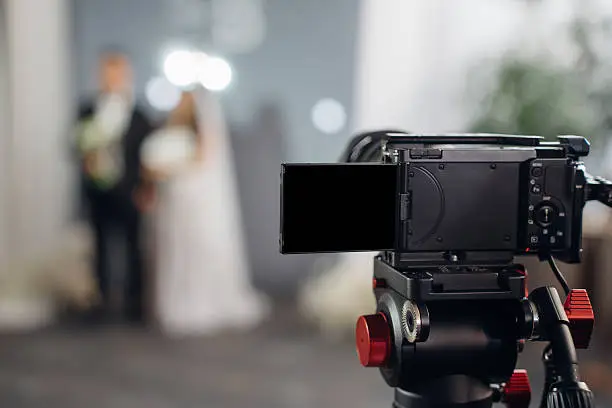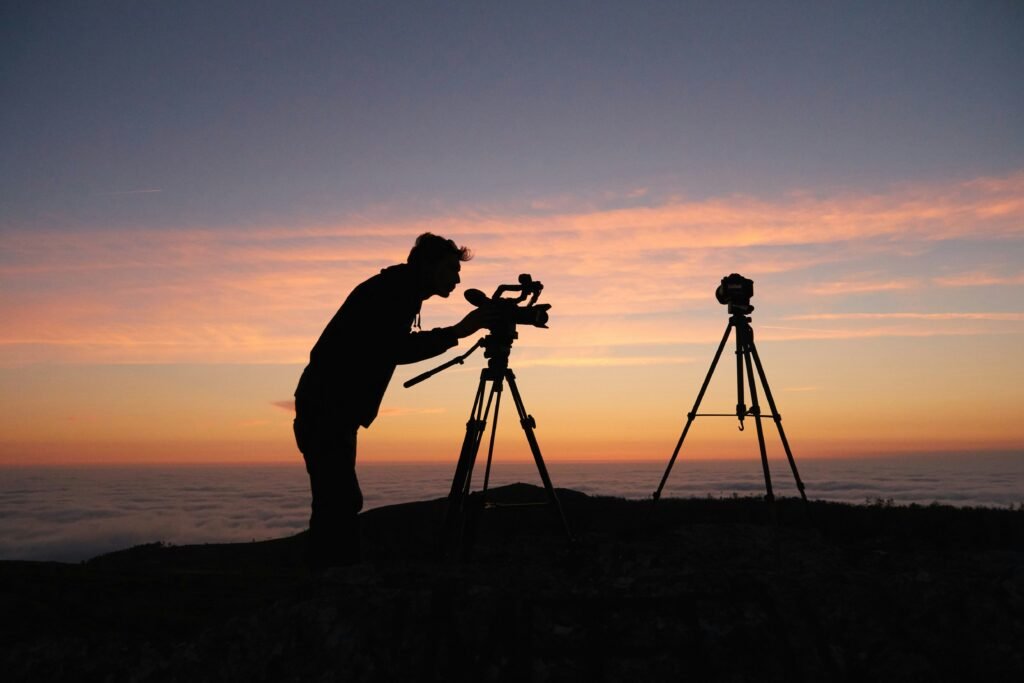
So, you’re wondering what a photo videographer actually does? Simply put, a photo videographer is someone who captures both still images (photography) and moving images (videography) professionally. They’re often a one-stop-shop for clients who need both visual mediums, covering everything from events and portraits to marketing content and documentaries. It’s a versatile role that requires a blend of technical skill, artistic vision, and a good understanding of storytelling in both forms.
Being a photo videographer isn’t just about owning two different types of cameras. It’s about a fundamental shift in how you approach visual storytelling. You’re not just taking pictures or shooting video; you’re often doing both, sometimes simultaneously, sometimes sequentially, but always with a cohesive vision.
Blending Still and Motion
Think of it like this: a photographer freezes a moment, capturing its essence in a single frame. A videographer builds a narrative, showing how those moments unfold over time. A photo videographer excels at both, using still images to provide striking key visuals and video to add depth and context, weaving them together for a more complete story. This means understanding how a photograph might look amazing as a standalone piece, but also how it fits into the broader visual language of a video. It’s about recognizing the emotional impact of a still shot versus the dynamic flow of a moving sequence.
Technical Acumen Across Mediums
This role demands proficiency with a wide array of equipment and software. You’re not just mastering one craft; you’re mastering two. This includes understanding the nuances of different camera bodies, lenses, lighting setups, audio recording, and editing software for both stills and video. For example, a prime lens that’s perfect for a portrait might not be ideal for a wide-angle video shot that needs to encompass a large space. Similarly, audio capture is paramount in video, whereas in photography, it’s irrelevant. You’re constantly toggling between these technical considerations.
The Diverse Landscape of Work
The beauty of being a photo videographer lies in the sheer variety of projects you can take on. This isn’t a job where every day looks the same.
Events & Occasions
This is a huge area for photo videographers. Think weddings, birthday parties, corporate gatherings, concerts, and festivals. Clients often want both high-quality photos to remember specific moments and a video to relive the atmosphere and flow of the entire event.
- Weddings: A classic example. Couples want beautiful formal portraits and candid shots, alongside a cinematic video capturing their vows, speeches, and first dance. This often means working with a second shooter or having a highly efficient workflow to switch between modes.
- Corporate Events: Companies need slick professional photos for press releases and internal communications, coupled with video highlights for social media, recruitment, or internal training. The tone here is often more formal and focused on brand messaging.
- Concerts & Performances: Capturing the energy of a live show requires rapid reflexes for stills and a good understanding of movement and sound for video. High-ISO capabilities and fast lenses are crucial here, as is a good ear for the music itself.
Marketing & Content Creation
Businesses of all sizes are hungry for visual content to tell their story, showcase products, and connect with their audience. A photo videographer can be invaluable here.
- Product Photography & Videography: From e-commerce product shots to captivating video demonstrations, showing off goods in their best light is key. This often involves studio lighting, careful staging, and understanding consumer psychology.
- Brand Storytelling: Creating mini-documentaries or powerful image series that convey a company’s mission, values, or the faces behind the brand. This requires a deeper dive into storytelling and often a more organic, authentic approach.
- Social Media Content: Short, punchy videos and eye-catching images tailored for platforms like Instagram, TikTok, and LinkedIn. This means understanding aspect ratios, trending styles, and quick turnaround times.
Portraits & Personal Branding
While “portrait photographer” is a distinct role, many photo videographers offer this too, especially when clients want a cohesive package.
- Professional Headshots & Profiles: Essential for LinkedIn, company websites, and personal branding, often coupled with short video intros or “about me” clips.
- Family & Lifestyle Shoots: Capturing genuine moments of connection, sometimes with a short video montage to complement the still photos. This leans heavily on building rapport and natural interaction.
- Artist & Creator Portfolios: Musicians, actors, and other creatives often need high-quality images and video reels to showcase their talent. This requires understanding their specific industry’s demands.
Documentaries & Storytelling Projects
For those with a passion for narrative, photo videography offers a path into more in-depth storytelling.
- Short Documentaries: Exploring a specific topic, person, or event through a blend of interviews, b-roll, and evocative still images. Research and pre-production become much more critical here.
- Feature Stories: For magazines or online publications, providing both compelling photographs and accompanying video clips to enhance the narrative. This often involves working closely with writers and editors.
- Travel & Adventure: Documenting journeys and experiences, capturing the grandeur of landscapes in stills and the immersion of movement in video. This often means working in challenging environments.
The Essential Gear & Software

You can’t capture the world without the right tools, and for a photo videographer, that often means a robust and adaptable kit.
Camera Bodies
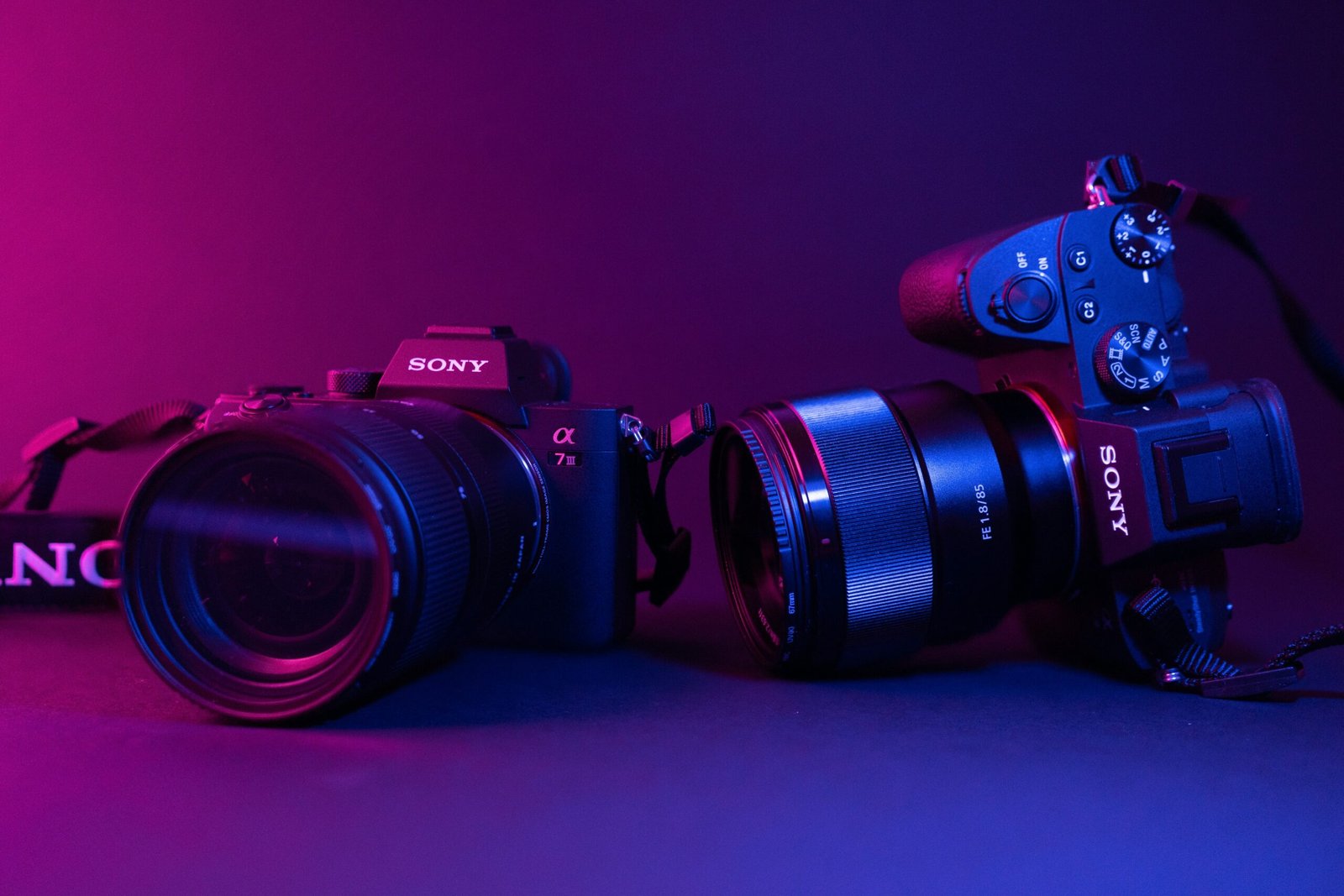
Many modern mirrorless cameras excel at both photography and videography, making them a popular choice. DSLR bodies are still certainly capable, but the video features of mirrorless bodies often make them more practical for dual-purpose work.
- Full-Frame vs. APS-C: Full-frame cameras generally offer better low-light performance and shallower depth of field, which can be advantageous for both, especially video. APS-C cameras are often more affordable and lighter, making them good value and easier to handle for long shoots.
- Key Features: Look for excellent autofocus performance (both still and video), high megapixel count for detailed photos, good dynamic range, 4K video recording capabilities (at various frame rates), and in-body image stabilization (IBIS).
Lenses
This is where versatility really comes into play. You need lenses that perform well for both mediums.
- Versatile Zooms: A good 24-70mm f/2.8 and a 70-200mm f/2.8 are workhorses for many, covering a wide range of focal lengths and offering good low-light performance and shallow depth of field.
- Fast Primes: A 50mm f/1.8 or f/1.4, and perhaps an 85mm f/1.8, are excellent for portraits and cinematic video shots, offering beautiful bokeh and superior low-light performance.
- Wide-Angle: For landscapes, interiors, and establishing shots in video, a 16-35mm or a similar wide-angle zoom is crucial.
Lighting Equipment
Good light is non-negotiable for both photos and videos.
- Strobes/Speedlights: Essential for photographic portraits, product shots, and event photography, allowing you to control and shape light.
- Continuous Lights (LEDs): Ideal for video, providing constant, flicker-free illumination. Many modern LED panels are also color-accurate and can be used to augment photographic lighting.
- Reflectors & Diffusers: Simple but incredibly effective tools for shaping existing light or softening harsh light.
Audio Gear
This is where many photo-only photographers fall short when venturing into videography. Good audio is absolutely critical for video.
- Shotgun Microphones: Great for capturing audio directly in front of the camera, good for interviews or capturing specific sounds from a distance.
- Lavalier Microphones: Small, clip-on mics ideal for recording dialogue from individuals, often wireless for freedom of movement.
- Portable Audio Recorders: For capturing high-quality ambient sound or as backups, especially in situations where direct camera audio might be compromised.
Stabilization
Smooth footage is paramount in videography, and even for certain photographic styles, stability is key.
- Tripods & Monopods: Non-negotiable for stable stills and smooth, considered video shots.
- Gimbals/Stabilizers: For dynamic, flowing video shots where the camera moves with the subject, providing silky-smooth motion.
- Sliders: Used to create cinematic tracking shots with controlled movement.
Software
The magic often happens in post-production.
- Photography: Adobe Lightroom for cataloging and RAW editing, Photoshop for more complex retouching and manipulation.
- Videography: Adobe Premiere Pro or DaVinci Resolve for video editing, Audition for advanced audio work, and After Effects for motion graphics.
Developing the Eye: Artistic and Storytelling Skills

Beyond the gear, a successful photo videographer cultivates a strong artistic sensibility and storytelling prowess. This isn’t something you buy; it’s something you develop through practice and critical self-reflection.
Composition & Framing
The fundamentals of good visual art apply to both photography and videography. Understanding the rule of thirds, leading lines, negative space, and symmetry helps create compelling visuals.
- For Stills: These principles help guide the viewer’s eye and create impactful single frames.
- For Video: They ensure that each shot contributes to the narrative and maintains visual interest, even as the scene unfolds.
Lighting & Exposure
Mastering light is paramount. Knowing how to read light, manipulate it, and expose correctly for both mediums is a core skill.
- Natural Light: Understanding how to use golden hour, blue hour, and overcast conditions to your advantage.
- Artificial Light: Knowing how to set up and control strobes and continuous lights to achieve a desired mood or effect. This includes understanding hard light vs. soft light.
Storytelling Through Imagery
This is where the “journey” truly begins. You’re not just recording; you’re interpreting and presenting.
- Narrative Arc: For video especially, understanding how to build a beginning, middle, and end. Even for a series of photos, there can be a subtle narrative that unfolds.
- Emotional Resonance: How do you make your audience feel something? This involves selecting the right moments, framing them appropriately, and using editing to amplify emotion.
- Visual Themes: Identifying consistent elements or motifs that tie your visual content together, creating a cohesive and memorable output. This could be a color palette, a recurring shot type, or a particular editing style.
Pacing & Timing (for Video)
Unlike photography, video has the added dimension of time.
- Editing Rhythm: How quickly do you cut between shots? Does the pace match the mood of the scene? Fast cuts for excitement, slow cuts for contemplation.
- Music Integration: Selecting music that enhances the visual story and paces the edit. The right track can elevate even average footage.
- Sound Design: Beyond just dialogue and music, ambient sounds and sound effects can dramatically impact the viewer’s immersion and perception of the video.
The Practicalities of the Craft
| Metrics | Data |
|---|---|
| Number of Photos Taken | 500 |
| Number of Videos Recorded | 20 |
| Hours of Editing | 10 |
| Client Satisfaction Rate | 95% |
Being a photo videographer isn’t just about creative work; it’s also about running a business and managing projects effectively.
Client Communication & Management
Clear and consistent communication is key to successful projects and happy clients.
- Understanding Needs: Thoroughly discussing client expectations, desired outcomes, and potential usage of the content upfront. This involves asking detailed questions and truly listening.
- Setting Expectations: Clearly outlining deliverables, timelines, and costs. Avoid surprises later on.
- Feedback Integration: Being open to client feedback and knowing how to incorporate it effectively without compromising your artistic vision or the project’s integrity.
Workflow & Organization
When you’re juggling two types of media, staying organized is crucial.
- File Management: Naming conventions, folder structures, and robust backup systems are non-negotiable. Losing client files is a career-ending mistake.
- Efficient Editing: Developing streamlined post-production workflows that allow you to move between photo and video editing without losing momentum. This might involve setting up project templates.
- Deliverables: Ensuring content is delivered in the correct formats, resolutions, and within agreed-upon deadlines.
Business Acumen
This is a small business, even if it’s just you.
- Pricing: Knowing how to value your time, expertise, and equipment. Offering package deals for photo and video services can be appealing to clients.
- Contracts: Protecting yourself and your client with clear, legally sound agreements that outline scope, deliverables, payment terms, and usage rights.
- Marketing & Networking: Showcasing your work, building an online presence, and connecting with other professionals in the industry.
The Journey Continues: Learning and Adapting
The world of visual media is constantly evolving. A truly successful photo videographer never stops learning.
Staying Current with Technology
New cameras, lenses, lighting tech, and software updates are released regularly. Keeping an eye on these developments helps you stay competitive and offer the best quality.
- New Features: Understanding how innovations like improved autofocus, higher frame rates, or better low-light performance can enhance your work.
- Software Updates: Learning new tools and efficiencies within your editing programs.
Embracing New Trends
While authenticity is important, understanding current visual trends can help keep your work fresh and relevant, especially for marketing clients.
- Social Media Aesthetics: How are short-form videos being made? What photographic styles are trending?
- Storytelling Approaches: Are there new narrative structures or visual techniques gaining traction?
Continuous Skill Development
There’s always more to learn, whether it’s mastering a new lighting technique, improving your audio mixing, or refining your color grading skills.
- Workshops & Courses: Investing in formal education or specialized workshops to deepen your expertise.
- Experimentation: Taking on personal projects or trying new approaches simply for the sake of learning and pushing your creative boundaries. This is often where the most significant growth happens.
- Critique & Feedback: Seeking honest feedback from peers or mentors to identify areas for improvement.
The journey of a photo videographer is dynamic and demanding, but incredibly rewarding. It’s about being a visual storyteller in multiple dimensions, constantly adapting, learning, and finding new ways to capture the world’s moments, both fleeting and enduring.