Photography and videography, in a nutshell, are about telling stories and preserving moments. Think of it like this: a picture isn’t just a snapshot; it’s a feeling, a memory, a detail that might otherwise fade. A video isn’t just moving images; it’s a narrative, a dynamic experience that transports you back in time or immerses you in a new one. Both art forms, while distinct, share the fundamental goal of capturing reality, or a creative interpretation of it, for others to see and feel. They’re powerful tools for communication, documentation, and pure artistic expression.
Getting a decent picture or video isn’t just about owning a fancy camera; it’s about understanding how light, composition, and even a bit of psychology work together. It’s the difference between a spontaneous snap and a carefully crafted image that truly resonates.
The Dance of Light
Light is arguably the most crucial element in both photography and videography. Without it, there’s nothing to capture. But it’s not just about having enough light; it’s about understanding its quality, direction, and color.
Natural Light: Your Best Friend (and Sometimes Foe)
Sunlight, moonlight, and even the glow of a city street at night – these are all forms of natural light. Learning to work with natural light is fundamental. The “golden hour,” for instance, the time just after sunrise and before sunset, offers soft, warm light that’s incredibly flattering. Midday sun, on the other hand, can be harsh, creating strong shadows and blown-out highlights. Understanding how to use shade, reflectors, or even just repositioning your subject can make a world of difference. Cloudy days, while sometimes perceived as dull, offer soft, diffused light perfect for portraits as it minimizes harsh shadows.
Artificial Light: Shaping Your Vision
When natural light isn’t enough, or when you want more control, artificial light sources come into play. This can range from a simple desk lamp to sophisticated studio strobes and continuous LED panels. The key here is not just illuminating your subject, but shaping the light. Think about a filmmaker using a spotlight to highlight an actor’s face, or a photographer using a softbox to diffuse the light for a gentle portrait. Understanding concepts like key light, fill light, and backlight allows you to create depth, drama, and specific moods in your visuals. Learning how to manipulate these light sources is a skill that opens up a world of creative possibilities.
Composition: Arranging Your Visual Symphony
Composition is essentially how you arrange the elements within your frame. It’s about guiding the viewer’s eye and creating a visually appealing and impactful image or video. A good composition isn’t accidental; it’s a deliberate choice.
The Rule of Thirds: A Guiding Principle
One of the most well-known compositional guidelines, the rule of thirds suggests mentally dividing your frame into nine equal sections with two horizontal and two vertical lines. Placing your subject or key elements along these lines or at their intersections often creates a more balanced and dynamic image than simply centering everything. It’s not a rigid rule, but a fantastic starting point for improving your compositions.
Leading Lines and Framing: Guiding the Eye
Leading lines – roads, fences, rivers, even architectural elements – naturally draw the viewer’s eye into and through the image, creating a sense of depth and movement. Framing, on the other hand, involves using elements within your scene (like doorways, tree branches, or windows) to create a natural border around your subject, helping to isolate it and focus attention. These techniques are particularly effective in videography for creating compelling shot sequences that flow seamlessly.
Negative Space: The Power of What’s Not There
Sometimes, what you don’t include in your shot is as important as what you do. Negative space, the empty areas surrounding your subject, can help your subject stand out, reduce clutter, and create a sense of calm or drama. Think of a single person silhouetted against a vast, empty sky – the negative space emphasizes their solitude and scale.
The Tools of the Trade: Cameras, Lenses, and Beyond
While the artist’s eye is paramount, the right tools can certainly elevate your work. Understanding the basics of camera bodies and lenses is crucial for making informed decisions about your gear.
Camera Bodies: Finding Your Perfect Match
From smartphones to professional cinema cameras, the options are vast. Each type has its strengths and limitations.
DSLR vs. Mirrorless: The Modern Debate
Digital Single-Lens Reflex (DSLR) cameras have been a staple for decades, known for their optical viewfinders and robust build. Mirrorless cameras, a more recent innovation, forgo the mirror mechanism, resulting in smaller, lighter bodies and often faster autofocus systems. Both excel at producing high-quality images and videos, but mirrorless cameras are increasingly popular for their portability and advanced video features. For a beginner, a good entry-level mirrorless or DSLR offers a significant step up from a smartphone in terms of image quality and creative control.
The Versatile Smartphone: More Than Just a Call-Maker
Don’t underestimate the power of your smartphone camera. With advancements in computational photography, many modern smartphones can produce stunning images and decent video, especially in good lighting. They are always with you, making them ideal for spontaneous capture. Learning to use your phone’s manual camera settings and investing in mobile-specific accessories like small tripods or external lenses can dramatically improve your results.
Lenses: The Eyes of Your Camera
While camera bodies capture the light, lenses are what focus it and determine your perspective. A good lens can make a mediocre camera body perform remarkably well, whereas a poor lens will limit even the best camera.
Prime Lenses: Sharpness and Speed
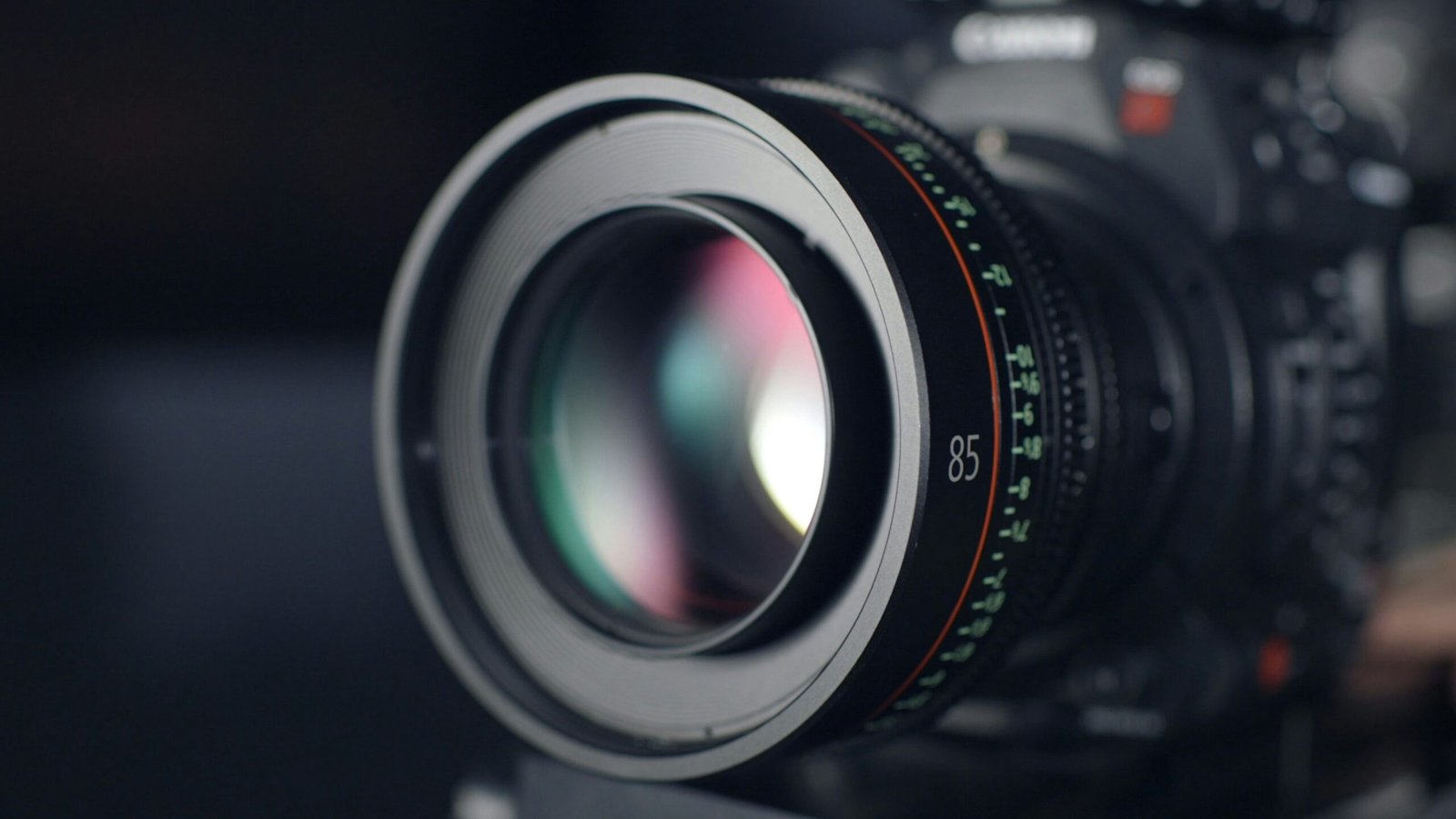
Prime lenses have a fixed focal length (e.g., 50mm, 85mm) and typically offer wider apertures (smaller f-numbers) than zoom lenses. This translates to superior sharpness, better low-light performance, and beautiful background blur (bokeh). They force you to “zoom with your feet,” encouraging more thoughtful composition. They are great for portraits, street photography, and anything where you want exceptional image quality.
Zoom Lenses: Flexibility and Convenience
Zoom lenses, as the name suggests, allow you to change your focal length without swapping lenses (e.g., 24-70mm, 70-200mm). This versatility makes them incredibly popular for travel, events, and situations where you need to quickly adapt to different scenes. While they might not be as sharp or as good in low light as comparable primes, their convenience is unmatched.
Beyond the Capture: The Art of Post-Production

Capturing the image or video is only half the battle. Post-production is where you refine, enhance, and transform your raw footage into a polished final product. This is where your personal style truly shines through.
Photo Editing: Bringing Your Vision to Life
Even the most perfect shot can benefit from a touch of editing. Think of it as polishing a gem – the raw material is beautiful, but a little work makes it sparkle.
Basic Adjustments: The Foundation
Tools like exposure, contrast, highlights, shadows, whites, and blacks are your bread and butter. Adjusting these can correct minor lighting issues, add punch to a flat image, or recover detail in overexposed or underexposed areas. Color temperature and tint settings allow you to correct for color casts or evoke specific moods, like the warmth of sunrise or the coolness of twilight.
Cropping and Straightening: Refining Your Composition
Sometimes a slight crop can dramatically improve a composition, removing distracting elements or drawing attention to your subject. Straightening a crooked horizon line is a small detail that makes a big difference in presenting a professional-looking image. Don’t be afraid to experiment with different crop ratios.
Retouching and Local Adjustments: Precision Enhancement
For portraits, tools for skin smoothing, blemish removal, or eye enhancement can subtly refine your subject without making them look artificial. Local adjustments allow you to make changes to specific areas of your image, like brightening a face or darkening a distracting background, giving you incredible control.
Video Editing: Weaving Your Narrative
Video editing is where disparate clips, audio, and graphics come together to form a coherent and engaging story. It’s a complex process but incredibly rewarding.
Cutting and Pacing: The Rhythm of Your Story
The fundamental task in video editing is cutting. This involves selecting the best parts of your footage and arranging them in a logical sequence. Pacing, or the speed at which your cuts occur, dictates the rhythm of your video. Fast cuts create excitement, while slow cuts can build suspense or evoke contemplation. Understanding how quickly or slowly to cut is crucial for holding your viewer’s attention.
Audio: The Unsung Hero of Video
Good audio is often more important than good video in terms of viewer engagement. Poor audio – muffled, noisy, or inconsistent – can instantly make a video feel unprofessional. This includes dialogue, background music, and sound effects. Learning to clean up audio, balance levels, and add appropriate music significantly elevates the viewing experience.
Color Grading: Setting the Mood
Just like in photography, color grading in video is about adjusting the colors and tones to evoke a specific feeling or create a consistent look. A cinematic look often involves desaturated colors and specific tonal shifts. A vibrant travel vlog might use bright, punchy colors. Color grading is a powerful tool for visual storytelling that unifies your footage.
Specializations: Finding Your Niche

Photography and videography are broad fields, and many choose to specialize. This allows them to hone specific skills and focus on subjects they’re passionate about.
Portrait Photography: Capturing Personality
Portraiture is all about capturing the essence and personality of an individual or group. It requires not just technical skill but also strong inter-personal skills to make subjects feel comfortable and bring out authentic expressions. Understanding posing, facial expressions, and how different lighting setups flatter various face shapes are key.
Landscape Photography: Nature’s Masterpiece
Landscape photographers seek to capture the beauty and grandeur of the natural world. This often involves patience, an understanding of weather patterns, and the ability to compose stunning vistas. Gear like wide-angle lenses, tripods, and filters (like polarizing and neutral density filters) are essential tools for capturing dynamic skies, long exposures, and vibrant colors.
Event Videography: Documenting the Unrepeatable
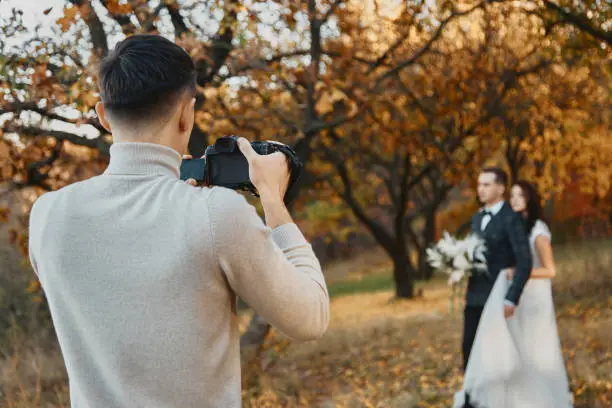
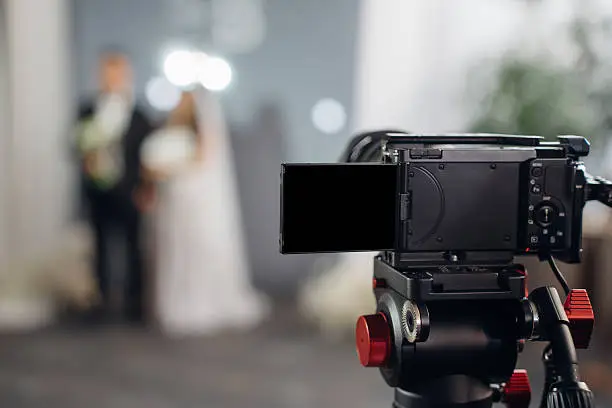
Weddings, conferences, concerts – event videographers are tasked with capturing the energy, emotions, and key moments of live events. This demands quick reflexes, adaptability, and excellent sound recording capabilities. Often, it involves working under pressure and being able to anticipate moments before they happen.
Product Photography and Videography: Selling with Visuals
In the commercial world, high-quality product visuals are critical. This specialization focuses on showcasing products in the best possible light, highlighting their features and benefits. It often involves precise lighting setups, clean backgrounds, and a keen eye for detail to make the product appealing to potential buyers.
The Journey Continues: Learning and Growth
| Category | Metrics |
|---|---|
| Photography | Number of photos taken |
| Photography | Aperture settings |
| Photography | Shutter speed |
| Videography | Video resolution |
| Videography | Frame rate |
| Videography | Video duration |
Photography and videography are continuous learning processes. The technology evolves, new techniques emerge, and your own artistic vision will develop over time.
Practice, Practice, Practice
There’s no substitute for hands-on experience. The more you shoot, experiment, and analyze your results, the better you’ll become. Don’t be afraid to make mistakes; they’re valuable learning opportunities. Try different settings, angles, and lighting conditions.
Learning from Others: Mentors and Communities
Whether through online tutorials, workshops, or joining photography and videography groups, learning from experienced individuals can accelerate your growth. Critique sessions, where you get constructive feedback on your work, are invaluable for identifying areas for improvement. Observing the work of photographers and filmmakers you admire can also be a great source of inspiration.
Staying Updated with Technology
The pace of technological advancement in cameras, lenses, and editing software is rapid. While you don’t need the latest and greatest gear every year, staying aware of new tools and features can open up new creative possibilities and streamline your workflow. Read reviews, watch tutorials, and consider upgrading your equipment strategically as your skills and needs evolve.
Ultimately, photography and videography are journeys of discovery – discovering the world around you, discovering your own creative voice, and discovering the power of visual storytelling. Whether it’s a simple snap on your phone or a meticulously planned production, the act of capturing beauty, emotion, or information is a profoundly human endeavor.